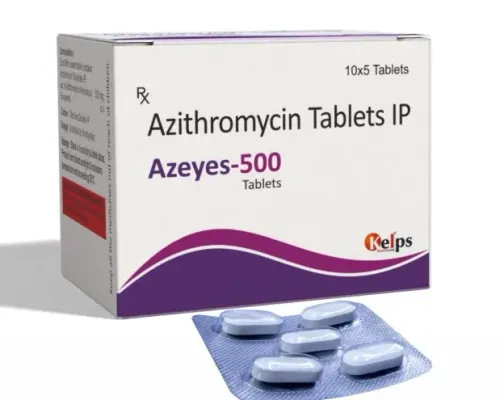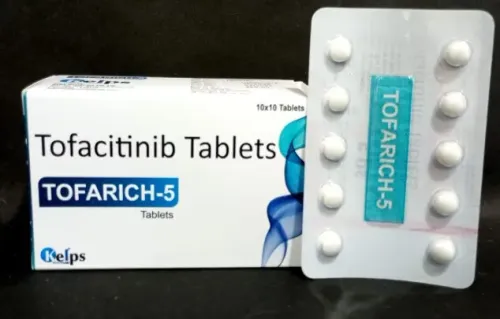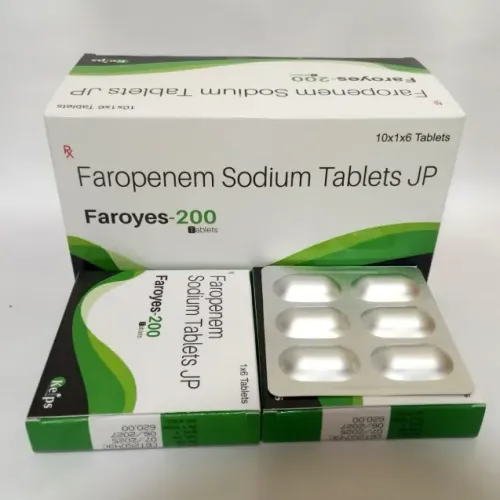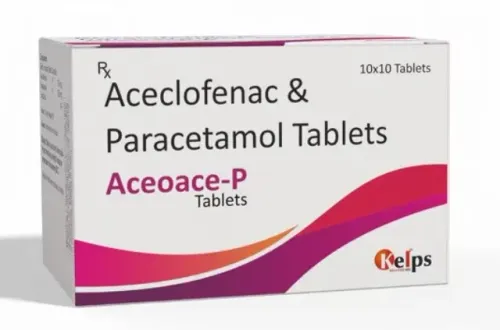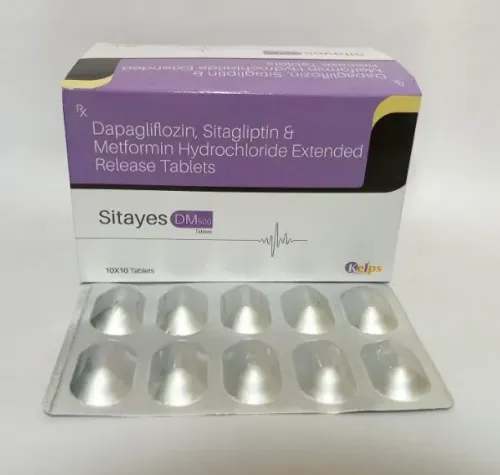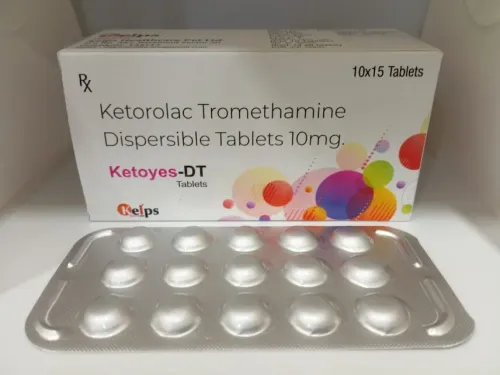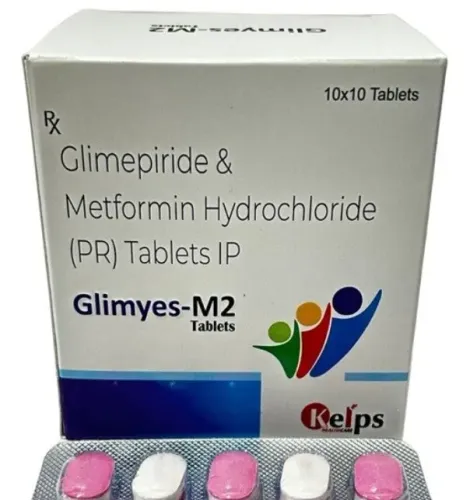
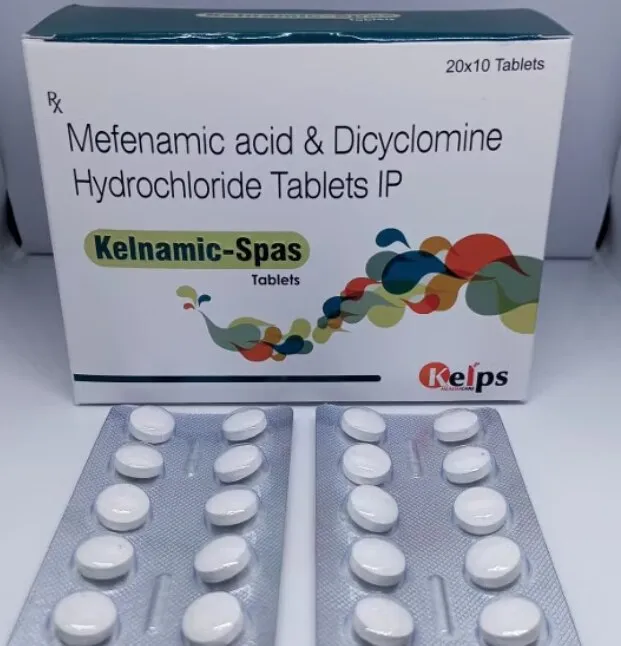
A third-party medicine does not move directly from a buyer’s formula to a finished carton. The project passes through product definition, technical review, approved materials, controlled production, testing, documented release, and dispatch. By the end, you will know which documents to prepare, how to assess a manufacturer, and what evidence must exist before you accept a batch.
Key takeaways
- Name the brand owner, formula owner, licence holder, and release authority in writing.
- Prepare the formula, specifications, artwork, licences, and forecast before requesting production.
- Match process controls to the dosage form: tablets, liquids, capsules, or injectables.
- Release the batch only after reviewing test results, records, and approved specifications.
What Third-Party Manufacturing Arrangement Are You Actually Buying?
The name of the arrangement does not decide who carries legal responsibility. Your agreement must identify the brand owner, formula owner, product permission holder, manufacturing-record owner, and party responsible for release, complaints and recalls.
| Option | What you are buying | Ownership and responsibility |
|---|---|---|
| Contract manufacturing | A factory makes your specified product under a written manufacturing contract | You may own the brand and formula; the contract assigns records, deviations, changes, testing and recall duties |
| Third-party pharma manufacturing | An external licensed manufacturer produces medicines for your business | The marketing authorisation holder or product licence holder remains responsible for the product, even when another factory makes it |
| Loan-licence manufacturing | You obtain permission to manufacture using another licensee’s premises and equipment under India’s loan-licence route | The licence structure and approved site control production; define who owns the formula, batch records and release decision |
| Private-label production | A manufacturer makes an existing or agreed product for sale under your brand | You own or control the label commercially, but formula, permissions and records belong to the party named in the agreement |
Do not assume private-label production transfers the product permission to you. The written contract should name the marketing-authorisation holder or product licence holder and allocate specifications, batch manufacturing records, stability data, inspections, deviations, complaints, recalls and change control.
Prescription medicines follow drug-licensing and medicinal-claims rules. Nutraceutical manufacturing and food supplement regulations fall under India’s Food Safety and Standards framework, including ingredient permissions, labelling and permitted claims. A pharmaceutical factory does not turn a supplement into a prescription drug. Confirm the category before approving artwork or promotion.
What Must Be Ready Before the Factory Accepts Your Product?
A factory should not accept your order from a brand name alone. Approve the product brief and qualify the manufacturer before commercial production begins.
- Define the product target profile: dosage form, strength, route, intended patient, target market, required quantity, pack size, shelf life, and storage condition.
- Provide the product specification, including assay, impurity limits, dissolution or disintegration, microbial limits, preservative content, and container-closure requirements where applicable.
- Send final artwork, purchase order, regulatory information, product permission, and any existing formula, development report, reference standard, or comparator sample.
- Confirm whether you own the formula or want the manufacturer to propose a standard product. Check the manufacturing licence and permission for the exact dosage form, not merely for tablets or capsules in general.
- Record the selected route, approval responsibilities, testing requirements, and change-control process before signing the manufacturing agreement.
If you supply a formula, formulation development checks its manufacturability, excipient compatibility, process parameters, and test methods before technology transfer into the factory’s equipment and batch records. If the manufacturer proposes an existing formula, review its specification, regulatory status, stability data, and permitted claims before approving it.
| Route | Buyer supplies formula | Manufacturer proposes formula |
|---|---|---|
| Ownership | Buyer provides technical basis | Manufacturer provides starting basis |
| Main work | Formulation development and technology transfer | Technical and regulatory suitability review |
| Risk | Formula may fail at commercial scale | Product may not match your target profile |
Qualify the site through its GMP evidence, equipment, personnel, quality-control laboratory, stability facilities, inspection history, deviation and recall history, audit access, and specialised capability for sterile or modified-release products. Ask kelps healthcare for this evidence before treating a licence as proof of capability.
How Materials and Manufacturing Move Through the Factory
Approved vendor qualification starts with the supplier’s capability, quality history, change-notification commitments, and risk-based review of active ingredients, excipients, packaging materials, and critical services. Purchasing follows the approved specification and manufacturing agreement. On receipt, each consignment is checked against the purchase order, labelled, assigned a batch number, and placed into quarantine.
- Quarantine and sampling occur under controlled conditions. The sampler records the supplier, container numbers, quantity, and internal material code.
- Raw material testing begins with an appropriate identity test performed by the manufacturer. A supplier certificate of analysis supports the review but cannot replace that test, because a matching certificate does not prove that the received container contains the stated material.
- Assay, purity, microbial, or other specification tests follow the material’s approved specification. Quality control then approves or rejects the lot in writing.
- Approved materials move to dispensing against the master manufacturing formula. Weighing, verification, and reconciliation are recorded in the batch manufacturing record.
- Production follows the authorised formula and batch instructions. In-process results, yields, equipment status, and deviations remain linked to the same batch number.
- Packaging material control includes artwork, component identity, line clearance, coding, reconciliation, and inspection recorded in the batch packaging record.
- Quality assurance reviews the complete file, including the certificate of analysis, test results, deviations, and reconciliation, before issuing release approval. Only released batches enter dispatch, with batch number traceability retained through delivery and complaints.
Which Controls Change for Tablets, Liquids, Capsules, and Injectables?
A batch record should show controls that prevent mix-ups, contamination, and undocumented changes—not paperwork added after production. Check line clearance, equipment-status checks, approved weighing and dispensing, cleaning records, in-process checks, environmental monitoring, yield reconciliation, deviation handling, and change-control approvals.
| Dosage form | Controls to inspect | Main risks |
|---|---|---|
| Tablet manufacturing | Blend uniformity, tablet weight, compression force, coating parameters, hardness, friability, and dissolution | Segregation, weight variation, poor dissolution, and coating defects |
| Capsule manufacturing | Fill weight, capsule dimensions, locking, leak checks, and shell inspection | Underfill, overfill, split shells, dents, and improper closure |
| Liquid manufacturing | Microbial control, preservative content, pH, viscosity, fill volume, mixing time, and water-system records | Growth, settling, incorrect dose, and preservative failure |
| Sterile injectable manufacturing | Sterilisation or aseptic processing, bioburden, sterilising filtration, container-closure integrity, environmental monitoring, and media fill | Microbial contamination, particles, leaks, and loss of sterility assurance |
For tablet manufacturing, capsule manufacturing, and liquid manufacturing, ask whether cleaning validation and process validation cover the actual equipment, product strength, and batch size. In sterile injectable manufacturing, terminal sterilisation is preferred when the formulation and container tolerate it; aseptic processing applies when they do not.
A media fill simulates aseptic production and must be investigated if it fails. A passing sterility test alone cannot prove sterility because it examines limited samples; it cannot excuse failed environmental controls, unexplained excursions, or inadequate contamination control.
How Does the Batch Become Approved for Sale?
1. Quality control compares the finished batch with the approved specification and reviews its critical quality attributes. Depending on the dosage form, testing covers assay, impurities, dissolution, delivered dose, preservative content, sterility, endotoxins, particulate matter, and container-closure integrity. The laboratory also checks the certificate of analysis against approved methods and results.
2. Any failure triggers a documented out-of-specification investigation. The review starts with laboratory, instrument, calculation, sampling, and analyst checks, then examines materials, equipment, deviations, and manufacturing history. Do not release a batch merely because a repeat test passes; averaging or discarding the first result needs documented scientific justification.
3. Release also depends on evidence that the process remains controlled. Process validation includes equipment qualification, scientifically justified cleaning validation, risk-based acceptance criteria, process performance qualification, and continued process verification. Packaging review checks moisture and oxygen protection, light exposure, formulation compatibility, extractables, leachables, seal integrity, container-closure integrity, and transport stress.
4. Stability testing uses the proposed commercial container-closure system, not a laboratory pack chosen only for convenience. For many products, long-term studies use 25°C/60% RH or 30°C/65% RH, while accelerated storage uses 40°C/75% RH; accelerated data does not replace justified long-term evidence.
An authorised person then signs batch release, assigns responsibilities for complaints and recalls, and records batch number, quantity, destination, dispatch date, and release approval.
Frequently asked questions
What responsibilities must a third-party pharma manufacturing agreement identify?
It must identify the brand owner, formula owner, product permission holder, manufacturing-record owner, and the parties responsible for batch release, complaints, and recalls.
What must be ready before a factory accepts a pharma product?
Prepare the formula, product specifications, packaging artwork, required licences or permissions, forecast quantity, and agreed quality and release responsibilities.
How does a batch move through a third-party manufacturing factory?
The factory approves materials, manufactures the product under controlled instructions, records each critical step, tests samples, investigates deviations, and reviews the batch record before release.
How do controls differ between tablets, liquids, capsules, and injectables?
Tablets require controls such as weight, hardness, friability, and dissolution; liquids require mixing, fill-volume, and microbial controls; capsules require shell, fill-weight, and dissolution checks; injectables require sterility, endotoxin, particulate, container-closure, and fill-volume controls.
What allows a manufactured pharma batch to be approved for sale?
The authorised release party reviews the completed batch record, test results, deviations, and packaging details against approved specifications before signing the release decision.