A custom pharmaceutical solution is more than putting a new logo on a standard medicine. You need to match the business requirement with the right formulation, dosage form, packaging, regulatory route and manufacturing evidence before committing to a launch. By the end, you will have a practical way to define the project, assess its risks and compare manufacturers.
Key takeaways
- Separate private labelling from formulation, dosage-form, strength, or packaging changes.
- Write the target product profile, quality attributes, strength, pack, and intended market into a brief.
- Ask for licence copies, batch records, stability data, validation evidence, and testing capabilities.
- Assign regulatory, quality, supply, complaint, recall, and payment responsibilities before signing.
Match the Business Requirement to the Right Type of Customisation
A custom pharmaceutical solution can mean contract manufacturing, private labelling, customised formulation, dosage-form selection, packaging adaptation, or a combination. A catalogue product with a new brand name is private labelling, not genuine formulation customisation; changing the active ingredient, strength, release profile, pack size, or container-closure system creates additional development and quality work.
| Option | What it means | Best fit |
|---|---|---|
| Distributor | Ready generic under an approved brand, with selected pack size and supply volume | Fast-moving prescription medicines |
| Hospital | Dosage form, strength, container and delivery system matched to clinical use | Injectable or other institutional products |
| Clinic | Smaller pack, practical strength or patient-friendly presentation | Lower-volume outpatient prescribing |
| Franchise partner | Regional portfolio, approved artwork, territory and replenishment plan | Local monopoly or third-party distribution |
Match the brief to these intake facts:
- Therapeutic category, active pharmaceutical ingredient and strength
- Dosage form, route, target patient group and release profile
- Pack size, annual volume and required delivery date
- Launch market, artwork, claims and market-authorisation ownership
- Storage range, transport lanes and cold-chain controls
Cold-chain customisation belongs to the distribution system as well as the product. Qualify the labelled temperature range, shipping lanes, packaging configuration, seasonal extremes, loading pattern, data-loggers, excursion assessment and disposition rules; one successful shipment does not prove routine capability.
For sterile injectables, assess terminal sterilisation before aseptic processing when the product and container can tolerate it.
Turn the Requirement into a Product Brief and QTPP
Before requesting development or production, convert the commercial idea into a pharmaceutical product brief with measurable targets. A vague request such as “a branded antibiotic” leaves the manufacturer guessing about patients, use conditions, pack economics and evidence.
1. Define the product’s purpose: therapeutic category, active pharmaceutical ingredient, strength, target patient group, route, intended market, annual volume, launch date and required delivery date.
2. Resolve dosage-form selection before costing. Compare tablet versus capsule versus syrup by dose flexibility, swallowing ability, stability, dosing accuracy, equipment, packaging and patient preference. State whether you need immediate release, delayed release or extended release.
3. Write the Quality Target Product Profile (QTPP). Include dosage form, strength, route, release profile, container-closure system, shelf-life target, storage condition and pack size. Translate these targets into Critical Quality Attributes such as assay, dissolution, sterility, particulate matter, viscosity or delivered dose.
4. Identify formulation constraints. Name unacceptable excipients, allergen concerns, preservative needs, taste or colour requirements, and compatibility risks. For injectables, ophthalmics, inhalation products and sensitive oral medicines, request an extractables and leachables assessment covering contact materials, dose, route, toxicity and storage conditions.
5. Specify the quality evidence required for the chosen product. Ask how formulation changes will affect comparative dissolution, stability, biowaiver or bioequivalence work. Set stability conditions for the market; a 30°C/75% relative humidity long-term plan differs from a 25°C/60% plan.
6. Define the commercial process, not just a pilot batch. Confirm that scale-up, process validation, container-closure integrity and continued process verification will support the proposed pack and shelf life.
Prepare the Documents and Follow the Indian Regulatory Route
A customised medicine cannot enter production on a brand name alone. Assemble a product dossier, confirm the manufacturing licence and product permission, and clear the proposed label before accepting a commercial order.
| Product situation | Indian regulatory route | Evidence and claims check |
|---|---|---|
| Approved generic with changed pack or brand | State licensing authority under the Drugs and Cosmetics Rules | Licensed manufacturer, approved formula, specifications, stability data and compliant artwork |
| New drug, new indication or significant formulation change | Central Licensing Authority under the New Drugs and Clinical Trials Rules, 2019 | Required safety, efficacy, stability, comparative dissolution, biowaiver or bioequivalence evidence |
| Supplement or nutraceutical | Food Safety and Standards Authority of India | Use permitted ingredients and structure/function wording; do not claim to diagnose, treat, cure or prevent disease |
Request these documents before manufacture:
- Quality Target Product Profile covering strength, dosage form, route, release profile, container-closure system, stability target and intended market
- Master formula, batch manufacturing record, finished-product specifications, analytical methods, validation reports and stability protocol
- Manufacturing licence, product permission, Schedule M GMP evidence and the manufacturer’s site details
- Approved label and package insert showing composition, batch number, manufacturing and expiry dates, storage conditions, warnings and schedule classification
- Wholesale drug licence for the selling entity, where required
Check every therapeutic, safety and nutritional statement against the approved category and evidence. A sterile injectable also needs documented contamination-control and container-closure risk assessments, including extractables and leachables. Do not release artwork or sales material until the licensing and claims review is signed off.
Test the Manufacturer’s Capability with Evidence, Not Promises
A successful pilot batch proves little: it does not show that the commercial process will reproduce the same quality. Ask for product-specific evidence tied to the agreed QTPP, including dosage form, strength, release profile, container-closure system and shelf-life target.
Request these records before approving the manufacturer:
- Development evidence: a formulation and process-development summary, identified Critical Quality Attributes, control strategy, and stability data from batches in the proposed pack. Confirm that any excipient, process or release-profile change triggers documented comparability work.
- Validation evidence: the commercial-scale process validation protocol and report, covering equipment, utilities, operators, material attributes, in-process controls and predefined acceptance criteria. Ask how continued process verification tracks routine batches after qualification.
- Release evidence: redacted batch records, finished-product specifications, deviation and out-of-specification procedures, and a sample certificate of analysis showing assay, dissolution or uniformity results, microbial tests and other product-specific tests.
- Transport evidence: packaging qualification, temperature mapping, shipping lanes, logger review and temperature-excursion procedures. Match these records to the labelled storage range and claimed shelf life.
For an injectable, ask for container-closure integrity evidence covering sterilisation, storage and transport; visual inspection or dye-leak testing alone does not establish a validated deterministic method. For shared equipment, review cleaning validation based on toxicological health-based exposure limits, equipment train, campaign length, solubility, cleanability and analytical recovery—not a universal residue percentage.
Reject vague promises that are unsupported by controlled records.
Define the Commercial and Quality Responsibilities Before Launch
A signed agreement must assign ownership for both the market and the medicine. In a private-label, contract-manufacturing or pharma franchise arrangement, price and minimum order quantity are only the starting points. The technical agreement should connect the approved QTPP, specifications and control strategy to clear operating duties.
- State who owns the marketing authorisation, product registrations, trademarks, dossiers and post-market safety obligations.
- Attach the approved artwork, permitted claims, pack sizes, serialization details and final product specification. No party should print or promote an unapproved version.
- Define the manufacturer’s batch-release package, including the certificate of analysis, manufacturing date, expiry date, batch number and applicable release records.
- Set the change notification period and approval route for excipients, suppliers, equipment, process parameters, specifications, packaging or manufacturing sites. A process change can require comparability or new stability work.
- Allocate complaint intake, investigation, adverse-event reporting, recall decisions, customer communication and recall costs.
- Record the territory, channel restrictions, forecast, lead time, minimum order quantity and rules for slow-moving, damaged or short-dated stock.
- Specify storage conditions and transport responsibility. For refrigerated products, require cold-chain qualification covering the labelled temperature range, shipping lanes, packaging, data-loggers, excursion assessment and disposition rules.
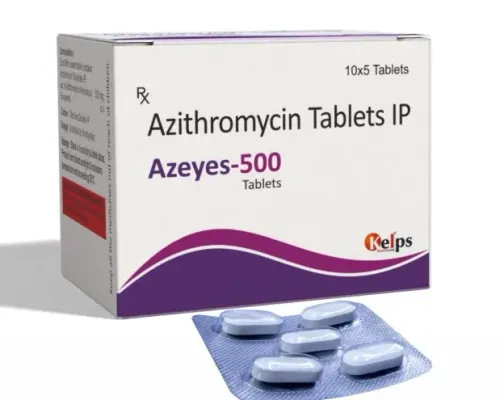
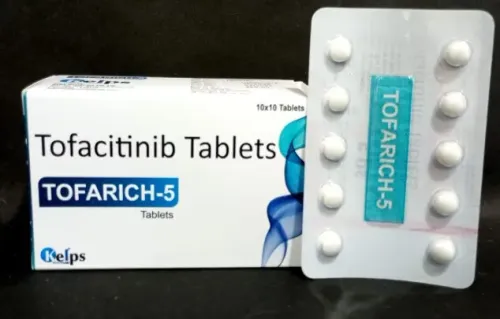
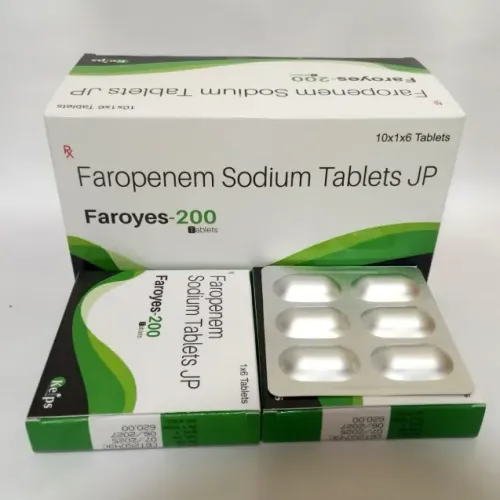
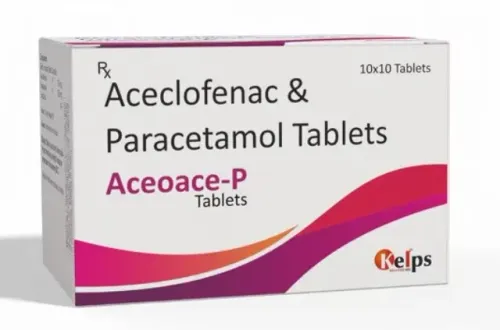
For a portfolio supplier such as kelps healthcare, these clauses prevent a distributor from treating a quality deviation, artwork change or short-dated shipment as a routine commercial dispute. Review and sign the agreement before production, not after the first batch leaves the facility.
Frequently asked questions
What counts as genuine pharmaceutical customisation?
Private labelling changes the brand on a catalogue product. Formulation customisation changes the active ingredient, strength, excipients, release profile, dosage form, or other product attributes. Packaging customisation changes the pack size or container-closure system and adds development and quality work.
What should a pharmaceutical product brief and QTPP include?
State the intended use, target patient group, dosage form, strength, route of administration, release profile, pack size, container-closure system, storage conditions, shelf life, market, and applicable quality attributes. Use the QTPP to connect these goals to measurable specifications.
Which documents should you request from an Indian pharmaceutical manufacturer?
Request the manufacturer’s applicable manufacturing licence copies, product and site details, proposed specifications, test methods, stability plan, validation evidence, batch records, certificates of analysis, and change-control process. Confirm the regulatory route and required submissions for the product category.
How do you assess a manufacturer before launching a custom product?
Ask for evidence of suitable equipment, dosage-form experience, analytical testing, stability studies, process validation, packaging capability, approved suppliers, deviation handling, complaints, recalls, and batch release. Put quality, regulatory, supply, payment, and responsibility for defects into the agreement.