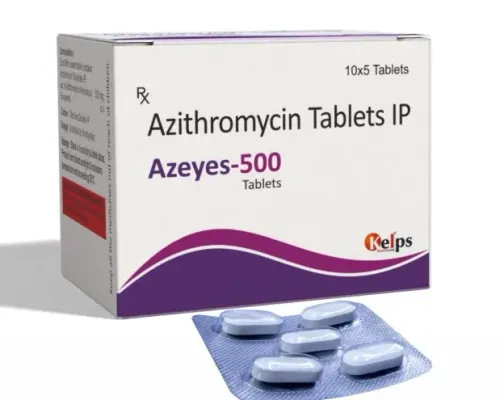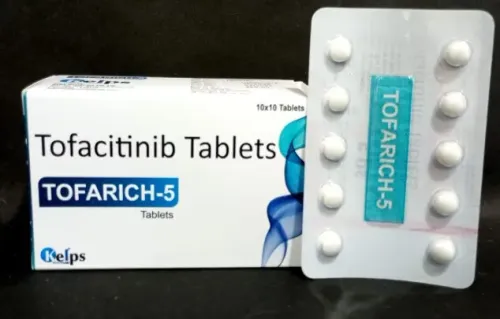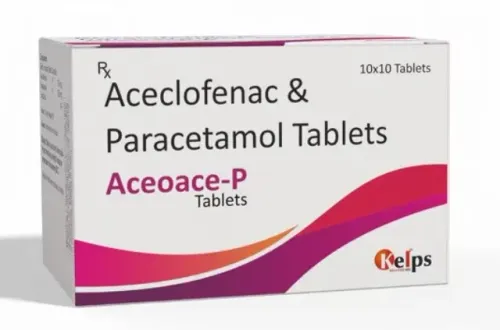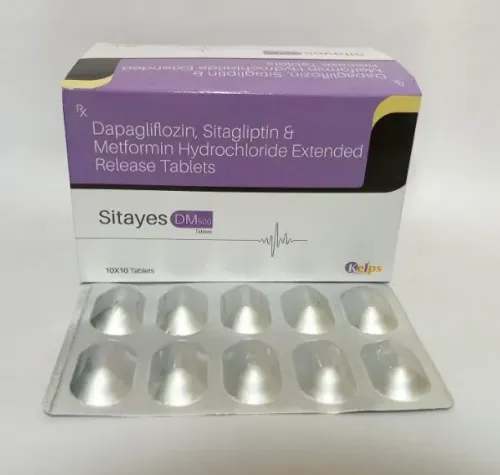
A product listed in a catalogue is not necessarily available in the exact strength, dosage form, pack size, batch quantity, or release status you need. By the end, you will be able to trace availability from demand forecasting to dispatch, separate saleable stock from warehouse stock, and test a supplier’s promises with documents and measurable service data.
Key takeaways
- Confirm demand forecasts align with production, quality release, and dispatch capacity.
- Separate warehouse units from released, saleable stock before accepting availability claims.
- Request batch records, stock status, licences, and recovery plans to verify continuity.
- Compare lead times, minimum orders, replenishment rules, and disruption responses across suppliers.
How demand becomes released stock ready for dispatch
A supplier can promise a medicine only when demand forecasting, production planning, quality release, inventory control, and dispatch capacity point to the same saleable batch—not merely to units somewhere in the warehouse.
1. Separate firm orders from demand forecasting inputs. Distributor, franchisee, hospital, and pharmacy forecasts guide planning but do not equal confirmed demand. Track forecast error, order-pattern changes, and cancellations before committing production.
2. Convert the demand signal into a production plan. The manufacturing schedule must account for raw-material availability, minimum batch quantities, equipment capacity, testing time, and existing orders. A delay in any one of these can move the promised dispatch date.
3. Hold received materials and completed batches in clearly marked quarantine until the quality unit checks specifications, test results, batch records, and deviations. Finished-goods release changes a batch from “physically present” to legally and operationally usable stock.
4. Count only stock with adequate remaining shelf life. Apply FEFO—first-expiry, first-out—and block expired or soon-to-expire batches. More units do not improve availability if customers reject them because the usable shelf life is too short.
5. Reconcile the released batch-wise inventory list with reservations, damaged packs, recalls, and segregated areas for rejected, returned, or recalled goods. Then apply allocation rules when supply cannot cover every customer instead of accepting orders that will later be cancelled.
6. Confirm dispatch capacity, including picking, documentation, transport, and required temperature control. A stock statement, release status, expiry dates, certificate of analysis, manufacturing schedule, and dispatch history give you evidence behind the availability promise.
How to distinguish warehouse stock from saleable stock
A warehouse count is not a saleable-stock count: a batch remains unavailable until its quality release, storage condition, shelf life, and allocation status all pass review. Start by matching the stock statement to the batch-wise inventory list, then reconcile both with the physical pallets.
Request these records for each batch:
- The certificate of analysis, showing results against the approved specification.
- The release status record, signed or approved by the quality unit.
- Manufacturing and expiry dates, quantities received, and quantities already committed.
- Dispatch history identifying batch number, customer, quantity, and dispatch date.
Then inspect the stock itself. Confirm that the batch number on cartons matches the records, the tamper seals and shipper cases are intact, labels are legible, and temperature records cover the required storage range. Check that released pallets are physically separated from quarantine, rejected, returned, and recalled goods.
| Status | What the record and physical check mean | Dispatch decision |
|---|---|---|
| Released | Quality approval is complete; packs are intact and correctly stored | Count as saleable |
| Quarantine | Testing, documents, deviation, or investigation remains open | Do not ship |
| Rejected, returned, or recalled | The batch is blocked or requires assessment | Do not count |
| Reserved | Released stock is committed to a named order or customer | Exclude from free stock |
| Short-dated or damaged | Shelf life or pack condition fails the buyer’s acceptance rule | Hold or reject |
Apply FEFO, or first-expiry, first-out. For sterile injectables, also verify environmental-monitoring, sterility, media-fill, and container-closure results before treating the batch as available.
How inventory controls protect supply during fluctuations and disruptions
A warehouse full of cartons can still fail an order: a demand spike consumes released stock, a delayed batch remains in testing, or a temperature-exposed shipment is held. Continuity starts with SKU-level planning that compares forecast demand with manufacturing and testing lead times, supplier reliability, minimum order quantities, shelf life, and the required service level.
Set a minimum stock level and reorder point for each SKU, then calculate safety stock from actual demand and lead-time variation rather than applying one blanket number. The buffer protects against a late raw-material delivery or production stoppage; too much creates expiry and obsolescence losses.
Review thresholds after promotions, seasonal changes, supplier changes, and repeated stockouts.
Use these controls to expose shortages before dispatch:
- Track open purchase orders, raw-material shortages, batch production dates, laboratory release dates, and carrier lead times.
- Reserve saleable stock for confirmed orders without counting quarantined, rejected, recalled, damaged, or temperature-sensitive stock awaiting assessment.
- Apply FEFO to released batches and block expired or soon-to-expire stock under the customer’s minimum shelf-life rule.
- Rank shortages by patient and product-quality impact through a risk-based review consistent with ICH Q9(R1), so critical medicines receive escalation first.
- Maintain qualified storage and transport equipment, mapped temperatures, calibrated monitors, and alarm procedures. Hold an out-of-range shipment until the quality unit evaluates it; dispatching it can turn a transport failure into a quality failure.
How to compare supply models and measure availability claims
Choose the model against three risks: replenishment delay, control over quality and allocation, and the chance that quoted stock is not saleable.
| Model | Lead time | Control | Availability risk |
|---|---|---|---|
| Direct manufacturer supply | Planned production lead time; shortest for scheduled batches | Highest visibility over release, batch, and allocation | Production failure, raw-material shortage, or quality hold affects supply |
| Third-party manufacturing | Depends on the contract manufacturer's capacity | Contract and quality agreement provide indirect control | Longer coordination and qualification delays |
| Stockist supply | Often fastest for released local stock | Limited control over replenishment and batch selection | Allocation shortages, short expiry, or unclear incoming supply |
| PCD pharma franchise supply | Depends on allocated stock and forecast accuracy | Portfolio access and territory allocation improve planning | Demand spikes can exhaust assigned inventory |
Measure the promise with records, not a catalogue label. Request these figures for the specific product and period:
- Order fill rate: dispatched order lines divided by ordered lines.
- On-time, in-full rate: orders delivered by the agreed date with the complete quantity.
- Median and worst-case lead time, measured from purchase order to dispatch.
- Back-order rate and the number of stock-out days.
- Released stock coverage in days, excluding quarantine, reserved, damaged, expired, and short-dated batches.
- Remaining shelf-life at dispatch, checked through batch-wise FEFO records.
A tablet supplier may absorb a production delay through safety stock; an injectable supplier cannot treat a failed sterility investigation, media fill, container-closure test, or cold-chain excursion as ordinary delay. For kelps healthcare, ask for product-level release status and dispatch history rather than accepting an overall portfolio availability figure.
Which documents prove continuity, traceability, and recovery readiness
Request dated records, not a stock screenshot. The evidence must show whether stock is saleable, replenishment is reliable, a recall can reach the affected customers, and operations can recover without bypassing quality controls.
| Document | What it proves | Warning sign |
|---|---|---|
| Batch-wise inventory and release report | Shows quantities, batch traceability, release or quarantine status, reserved units, and expiry dates | Stock is listed without quality status or remaining shelf life |
| Manufacturing schedule and replenishment plan | Shows planned production, material dependencies, expected release dates, and alternate supply arrangements | Dates are promised without batch or release milestones |
| Dispatch history and service report | Tests actual demand support through dispatch history, lead-time records, and on-time-in-full delivery | Only current stock is shown; shortages, delays, and partial deliveries are omitted |
| Recall and distribution report | Shows product, batch, quantity, customer, and dispatch date so affected units can be located without stopping unaffected batches | Records identify customers but not batch numbers |
| Deviation, CAPA, and change-control log | Shows how quality failures are investigated, corrected, and approved before output resumes | Emergency changes lack documented impact assessment or quality-unit approval |
| Business continuity plan and recovery-test record | Shows recovery of manufacturing, temperature control, warehouse, and electronic quality systems | The plan names an alternate site but gives no test date, recovery time, or system backup evidence |
Ask how often these records are reviewed and request a redacted recall-trace exercise. A supplier that cannot retrieve one batch’s distribution path cannot demonstrate targeted recall readiness.
Frequently asked questions
How does demand become released stock ready for dispatch?
Demand is converted through forecasting, production planning, quality testing and release, inventory allocation, order picking, and dispatch preparation. A supplier can promise delivery only when these steps identify a specific saleable batch.
What is the difference between warehouse stock and saleable stock?
Warehouse stock includes units awaiting quality release, quarantine, inspection, relabelling, or other checks. Saleable stock has passed release controls, has intact packaging and traceability, and is available for the ordered market and quantity.
How can you compare pharma supply models and availability claims?
Compare confirmed lead time, minimum order quantity, replenishment frequency, reserved inventory, allocation rules during shortages, dispatch capacity, and the evidence supporting each claim.
Which documents prove supply continuity and recovery readiness?
Request documents such as the manufacturing or wholesale licence, batch release records, stock status reports, certificates of analysis where relevant, temperature logs for controlled products, recall procedures, business continuity plans, and supplier qualification records.