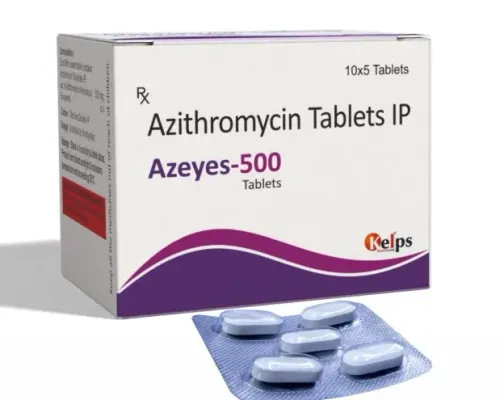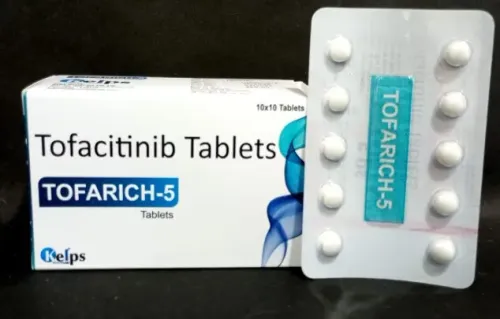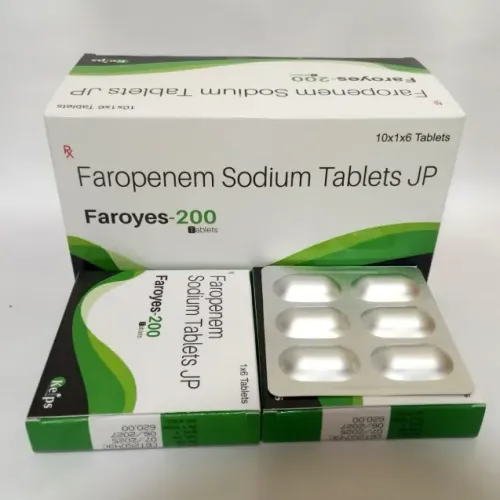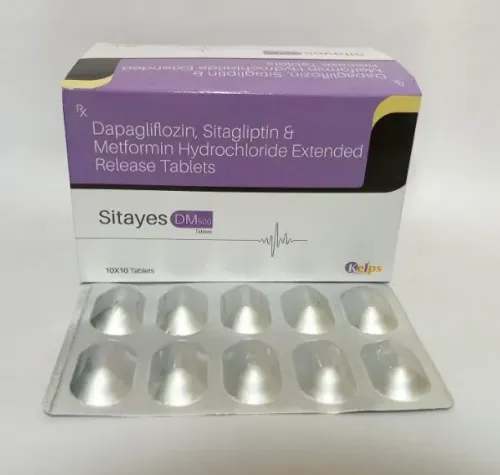
A pharma distributor is responsible for far more than moving cartons from a manufacturer to a pharmacy. You need to control purchasing, lawful sale, batch traceability, storage, stock rotation, customer records, complaints, and recalls. By the end, you will be able to separate a distributor’s role from related pharma channels and identify the controls that protect medicine quality.
Key takeaways
- Record each batch number, expiry date, quantity, and supplier on receipt.
- Quarantine stock with damaged seals, missing labels, or mismatched documents.
- Store medicines within their labelled temperature range and log refrigerator readings.
- Sell only to authorised buyers and keep invoices, prescriptions, and delivery records.
What does a pharma distributor actually do?
A pharma distributor buys and owns medicine stock, then moves it from licensed premises to authorised buyers. Its pharma distributor responsibilities cover purchasing, receiving consignments, recording each batch, taking orders, preparing invoices, dispatching products, and retaining delivery records for pharmacies, hospitals, clinics, and other authorised customers.
- Match the purchase order with the consignment and invoice, checking the product, batch number, expiry date, quantity, and pack condition.
- Record the supplier, supplier’s licence details, purchase date, invoice or cash-memo reference, and lawful source of every batch.
- Store products according to their labels, protecting them from sunlight and moisture and maintaining 2°C to 8°C cold-chain conditions when required.
- Verify the customer, product category, order, quantity, and delivery destination before release; sell prescription medicines only against valid orders.
- Issue the invoice, dispatch the medicines, and retain delivery evidence that identifies the customer, batch, quantity, and supply date.
| Role | What it means | Stock and customer |
|---|---|---|
| Pharma wholesaler | The licensed business category for bulk sale of medicines | Owns or lawfully holds stock for authorised buyers |
| Pharmaceutical stockist | A commercial term for a party holding manufacturer-owned or purchased stock | Supplies downstream buyers; usage overlaps with wholesaler |
| Retailer | Supplies medicines to patients | Usually sells from a licensed outlet |
| PCD pharma franchise partner | Operates under product or territory authorisation | Still needs the Indian wholesale sale licence, competent person, and premises-specific licence required for its activities |
A PCD agreement does not replace those statutory requirements. Outsourcing storage or transport also leaves the distributor responsible for written controls, records, and oversight.
How should a distributor receive and verify incoming stock?
Accept a consignment only after you match it to the purchase order and invoice; an aggregate stock total cannot prove that every batch came from a lawful source.
Use this pharma stock inspection checklist:
- Product name, strength, dosage form, pack size, batch or lot number, manufacturing date, and expiry date
- Quantity, manufacturer details, invoice or cash-memo reference, and supplier’s licence details
- Seal condition, carton integrity, water marks, crushed packs, leaks, broken ampoules, or other visible damage
| Check | Match against | Hold or reject when |
|---|---|---|
| Product identity | Purchase order, invoice, approved label, and Indian-market statutory warnings | Name, strength, dosage form, claims, or warnings differ |
| Batch details | Physical pack and invoice | Batch number and expiry date are missing or inconsistent |
| Packaging | Manufacturer’s normal seal and pack design | Seal is broken, printing is altered, or tampering is suspected |
Record the purchase date, supplier, licence details, quantity, invoice reference, and every batch received. These wholesale drug purchase records connect stock to its source and support a targeted recall instead of an uncertain withdrawal.
Check that labels and promotional materials do not show unauthorised composition, indications, dosage claims, expiry information, or warnings. If the supplier will not provide traceability documents, refuse delivery and retain the correspondence.
Isolate suspected counterfeit, tampered, diverted, damaged, or unauthorised stock. Do not sell it; notify the supplier and the applicable State Drug Control Department. This is counterfeit medicine prevention, not an optional paperwork exercise.
How must medicines be stored and transported?
Store each medicine according to its label’s instruction, not a warehouse-wide rule. Protect packs from sunlight and moisture, keep cartons off wet floors, and use 2°C to 8°C medicine storage only when the label requires it.
The pharmaceutical cold chain continues from receipt through loading, transport, delivery, and temporary holding. Before dispatch, check:
- Refrigerator mapping, door seals, alarms, and monitoring locations
- Insulated shippers, gel packs, packaging configurations, and validated pack-out times
- Calibrated data loggers and temperature records for each shipment
- Vehicle capability during loading, transit, delivery, and delays
- The controls and records of any external logistics provider
A refrigerator display alone does not prove product integrity. Investigate alarms and record temperature excursion records; quarantine affected stock until a documented quality decision releases it for sale, rejects it, or directs its disposal.
Sterile injectable distribution requires careful visual inspection of seals, particles, leaks, broken containers, and damaged packs. These checks find visible defects but cannot prove sterility or replace the manufacturer’s validated aseptic processing, testing, and batch-release controls.
Handle returned medicines through quarantine. Do not resell an unopened-looking pack until you document its source, storage history, seal and pack condition, remaining shelf life, and legal eligibility.
Treat supplements separately: food and health-supplement products fall under India’s Food Safety and Standards framework for ingredients, labels, and claims; a drug wholesale licence alone does not prove compliance.
How are prescriptions, inventory, and recalls controlled?
Release a prescription medicine only against a valid order from an authorised buyer. Do not substitute its strength, dosage form, or brand without authorisation; send prescription and product questions to a qualified professional.
Schedule H, H1, and X medicines have added controls: record every Schedule H1 sale in a register showing the prescriber, patient, drug, and quantity, and retain it for three years. Keep Schedule X stock securely locked and retain its prescription and sale records for the period required by law.
Run FEFO inventory management—first expiry, first out—with these controls:
- Set reorder levels and review slow-moving lines before they become short-dated.
- Check expiry dates during receiving, picking, and routine stock counts.
- Physically or electronically quarantine expired, damaged, recalled, returned, or suspected-counterfeit stock.
- Prevent quarantined stock from appearing as available inventory.
Pharmaceutical batch traceability makes a medicine recall procedure targeted rather than chaotic. Purchase records must show the date, supplier and licence details, product, batch or lot, expiry, quantity, and invoice or cash-memo reference; sales records must identify each customer, quantity, and supply date for the affected batch.
Returned medicines do not return to sale because a seal looks intact: document their provenance, storage history, pack integrity, remaining shelf life, and legal restrictions before release. Record quality complaints, damaged packs, mix-ups, suspected falsification, and adverse effects, then escalate them through the manufacturer’s quality or pharmacovigilance system.
What controls should a distributor require from manufacturers and service partners?
A low-cost supplier does not reduce your responsibility for a failed cold chain, missing batch records, or an unresolved complaint. Before appointing a manufacturer, PCD company, warehouse, or transporter, complete pharma manufacturer due diligence and record the result.
1. Sign a written PCD pharma agreement with the manufacturer. Require batch documents, approved labels, product information, manufacturing and expiry details, complaint contacts, recall support, and clear supply terms.
2. Use a technical agreement for logistics when storage or transport is outsourced. Assign temperature monitoring, calibration, alarm review, deviation investigation, record retention, complaint handling, recall execution, audit access, and disposition of affected stock. Qualify vehicles, insulated shippers, data loggers, packaging configurations, and temporary holding sites.
3. Require pharmaceutical quality documentation for each product and service. Check that labels, packs, and promotional materials match the approved product and Indian market. Keep affected stock quarantined until a documented quality decision follows a temperature excursion, damage report, mix-up, or suspected falsification.
4. Prohibit unauthorised changes. You and a franchise partner must not alter composition, indications, dosage claims, expiry information, or statutory warnings. Relabelling or repacking can create a separate regulated activity, not an ordinary distribution task.
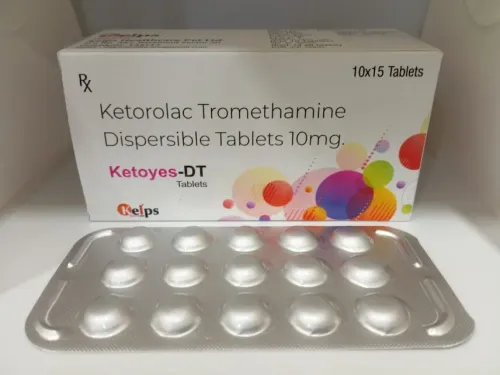
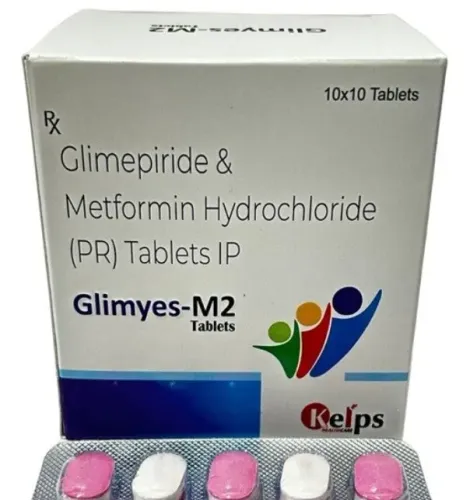
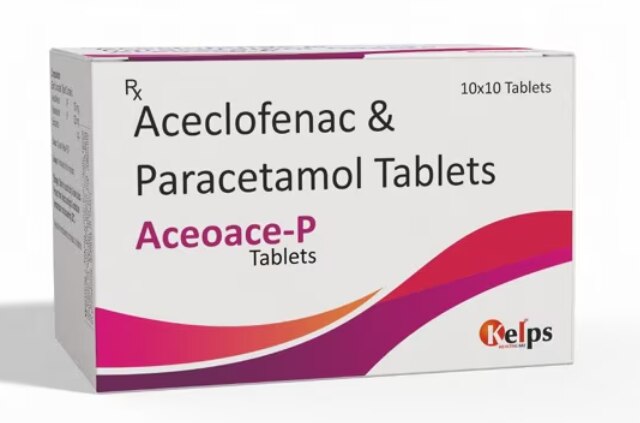
kelps healthcare becomes a viable manufacturing or PCD partner only if its documents, product controls, escalation process, and written responsibilities withstand verification. Choose on auditable controls, not brand familiarity, margin comparisons, or verbal assurances.
Frequently asked questions
What does a pharma distributor do?
A pharma distributor buys and owns medicine stock, supplies authorised buyers, records batches, prepares invoices, and retains delivery records.
How should a distributor verify incoming medicine stock?
Check the supplier documents, product name, strength, dosage form, batch number, expiry date, quantity, packaging, seals, and visible damage before accepting stock.
How must medicines be stored and transported?
Keep each product within its labelled temperature and storage conditions, separate damaged or recalled stock, and use suitable packaging and temperature controls during transport.
How are prescriptions, inventory, and recalls controlled?
Sell prescription medicines only against valid orders or prescriptions where required, maintain batch-level inventory records, and trace affected customers when a recall occurs.
What controls should distributors require from manufacturers and service partners?
Require licence and quality documents, batch and test records, clear storage instructions, delivery evidence, complaint handling, recall support, and documented responsibilities.