A PCD arrangement is not simply a discounted medicine purchase: it combines territory rights, product promotion, licensed distribution, inventory ownership, and collection work. By the end, you will understand who does what, how money and compliance move through the model, and how to decide whether a proposed territory and supplier deserve your capital.
Key takeaways
- Confirm territory rights, product list, pricing, and renewal terms in writing.
- Ask for the manufacturer’s licence copies, test reports, and batch traceability records.
- Calculate margins after samples, travel, credit losses, storage, and unsold stock.
- Reject the opportunity if demand, supplier evidence, or territory protection remains unclear.
What a PCD Pharma Franchise Is—and How It Differs from Other Pharma Models
A PCD pharma franchise definition is a commercial agreement in which a manufacturer or marketer grants a partner rights to promote and sell selected medicines in a defined territory. PCD means Propaganda Cum Distribution, combining doctor-facing promotion, order collection and product distribution.
It is not a separate drug licence or company category; the partner still needs the applicable wholesale or retail drug-sale licence where stock is held or sold.
The main participants and their responsibilities are:
- The manufacturer or marketer supplies approved products, invoices the buyer and handles batch quality, complaints and recalls under the agreement.
- The franchise partner promotes products, collects orders and develops local demand. The contract must assign prescription compliance, adverse-event forwarding and expired-stock destruction.
- A licensed wholesaler or stockist may own inventory and invoice retailers, while the partner performs promotion without holding stock.
- Retailers, hospitals and dispensing outlets sell or dispense medicines; doctors prescribe them, and patients receive them.
The practical PCD versus distributorship distinction is control: a PCD partner receives territory and promotional rights, while a conventional distributor mainly buys, stores and resells products. Compare the models:
| Model | How it works | Who carries the main commercial risk |
|---|---|---|
| PCD franchise | Territory-based promotion and purchase or order generation | Franchise partner, shared with supplier by contract |
| Distributorship | Bulk purchase, storage and resale to accounts | Distributor |
| Medical-representative employment | Employee promotes products for salary and incentives | Employer |
| Wholesale trading | Buys and resells available brands without assigned promotion rights | Wholesaler |
| Independent generic sales | Sources and sells generic products without a franchise territory | Seller, subject to licensing and compliance |
How the PCD Transaction Works from Enquiry to Renewal or Exit
After an enquiry, the PCD pharma franchise process moves from commercial discussion to documented obligations. The parties verify licences, product permissions, GST details, territory potential and the proposed portfolio before agreeing to an opening order.
PCD is not a separate drug licence; monopoly rights are contractual territory commitments, not rights created by the Drugs and Cosmetics Act.
1. Define the territory, protected products, existing customers, online sales, hospital tenders, sub-distributors and the performance level required to retain exclusivity.
2. Select products by licence category, storage condition and demand, then approve the price list, opening order and minimum order quantity.
3. Sign an agreement covering invoices, freight, taxes, credit period, promotional material, prescription compliance, complaints, adverse-event forwarding, recalls and expired-stock destruction.
4. The manufacturer dispatches stock against an invoice. The partner promotes products and collects orders; a licensed wholesaler or stockist may own inventory and invoice retailers, so the contract must identify who carries unsold-stock risk.
5. Track collections, repeat orders, expiry replacement and territory performance. Renew only after reconciling payments and stock; exit terms should state notice, final orders, returns and use of promotional material.
| Term | Contract question | Commercial consequence |
|---|---|---|
| Purchase price, trade margin and MRP | Is the margin calculated from net price or printed MRP? | MRP is not freely available profit; DPCO and NPPA price controls can limit increases and margins. |
| Payment terms | Advance, cash on delivery or credit period? | Late payment can suspend supply or cancel exclusivity. |
| Returns | Which batches qualify for expiry replacement? | Unwritten return promises leave the partner with dead stock. |
| Promotion | Who supplies visual aids and approves claims? | Unsupported claims create compliance risk for both parties. |
How to Build a Viable Territory and Operate Its Product Portfolio
A viable territory has enough prescribers, licensed stockists, retailers, hospitals, and patient demand to support repeat sales—not merely a large population. Use PCD territory evaluation to map competing brands, prescription patterns, travel distances, payment behaviour, and local licence requirements. Select a focused mix instead of accepting every tablet, supplement, cosmetic, and injectable in the catalogue.
1. Choose products by disease demand, dosage form, price, competition, and sell-through potential. Keep prescription medicines, Schedule H1 products, injectables, and FSSAI-regulated supplements under separate compliance and storage controls.
2. Plan doctor and retailer coverage by assigning specific clinics, hospitals, wholesalers, and pharmacies. Promote prescription products only through lawful scientific information and valid prescriptions; never replace approval with claims such as “ethical” or “promotional.”
3. Confirm that the licensed wholesaler or retailer holds the required drug-sale licence, then define who invoices, owns inventory, collects payment, forwards adverse events, reports complaints, and handles recalls.
4. Control stock with FEFO inventory: issue the earliest-expiring batch first, record batch numbers, inspect seals, and agree written expiry-return terms before ordering. A high discount cannot recover stock that expires on credit shelves.
5. For injectable storage and transport, follow each label’s temperature range, use qualified packaging and temperature records, quarantine damaged vials or excursions, and document the decision to release, return, or destroy them.
6. Link doctors to pharmacies and wholesalers through a replenishment routine, while giving patients clear directions, warnings, and complaint channels. Track prescriptions, orders, returns, and outstanding credit separately.
Due Diligence: Documents, Supplier Checks, and Quality Responsibilities
Before transferring an advance, verify the licence holder, the stock owner, and the party issuing your invoice. A franchise agreement, GST registration, or company incorporation certificate does not authorise drug sale.
Request these PCD pharma franchise documents:
- Manufacturing licence, such as Form 25 or Form 28, and the site address named on it.
- Wholesale or retail drug-sale licence, such as Forms 20B and 21B for wholesale supply, issued by the relevant State drug-control authority.
- GST registration certificate, PAN, bank account matching the contracting entity, and a sample tax invoice.
- Product permission or licence details, batch Certificate of Analysis, package insert, and approved label for each product.
- Written procedure naming who receives complaints, forwards adverse drug reactions, investigates defects, conducts batch traceability and recalls, and destroys expired stock.
Use drug licence verification through the issuing State or Union Territory authority; do not rely on a screenshot. Complete GST and invoice checks by matching the legal name, GSTIN, licence holder, HSN, batch number, expiry date, tax rate, and bank beneficiary.
| Check | Reliable evidence | Stop sign |
|---|---|---|
| Manufacturer | Licence address matches the factory | Unrelated or unverifiable site |
| Batch quality | Signed test report and release record | “Passed” without batch documents |
| Injectables | Sterility, endotoxin, storage, excursion and damaged-vial procedure | No recall or temperature plan |
| Contract | Territory, returns, complaints and liability stated | Verbal monopoly promise |
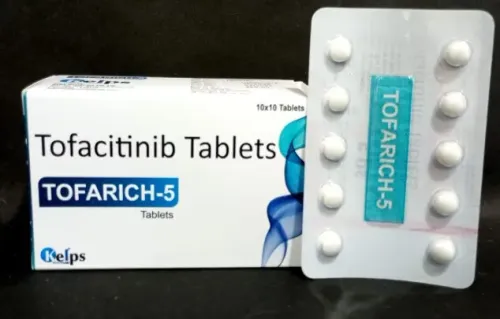
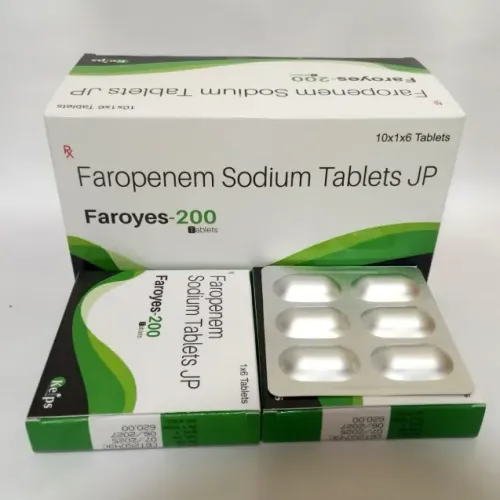
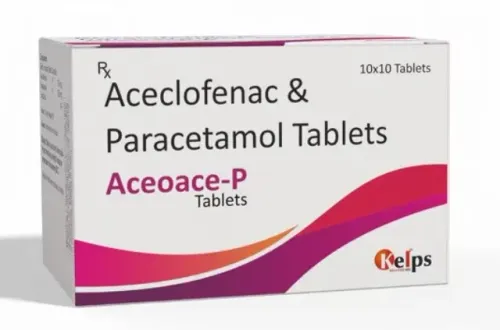
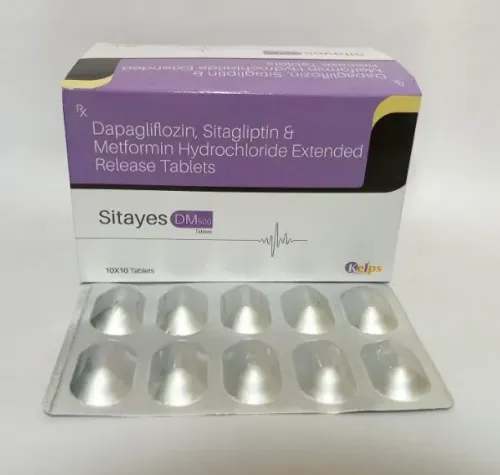
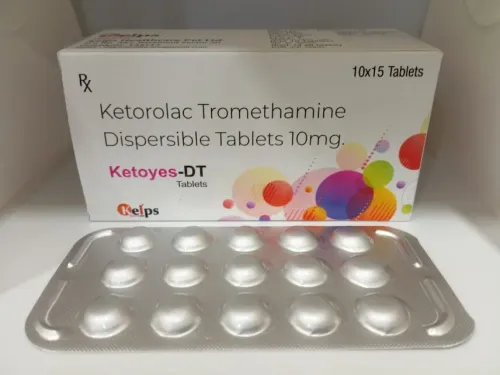
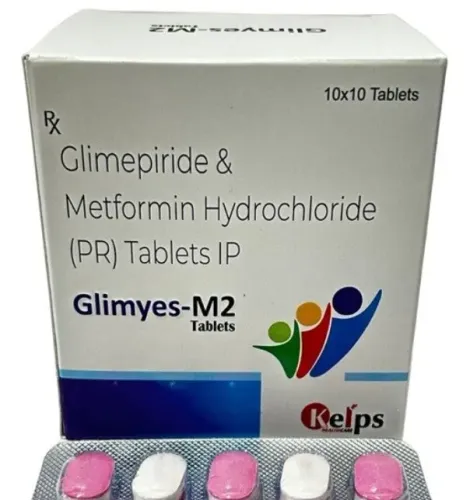
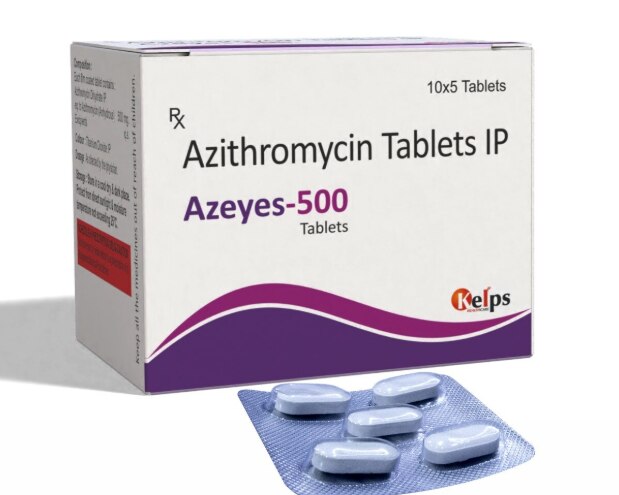
kelps healthcare should be assessed by these same checks: the brand name cannot replace proof of licensing, traceability, or accountable quality handling.
Unit Economics, Failure Risks, and the Final Go-or-No-Go Decision
Use net collection, not printed MRP, for your gross margin calculation: (invoice sales minus landed product cost) ÷ invoice sales. Then calculate actual contribution by subtracting freight, samples, promotional spend, retailer discounts, collection costs, expiry replacement, and bad-debt losses. Break-even sales equal fixed monthly costs divided by contribution margin.
PCD investment and working capital must cover the opening order, registration and travel costs, promotional materials, inventory held during the credit period, and unpaid invoices. A practical estimate is inventory value plus receivables minus supplier credit. Stress-test the figure against slow sell-through, a 60-day payment delay, and one large recall.
Expiry replacement belongs in the contract, with a defined return window, credit-note timing, freight responsibility, and treatment of short-dated stock. For injectables, add temperature excursions, damaged vials, sterility complaints, recall collection, and destruction costs; do not assume the supplier absorbs them.
- Stage 1: score the supplier on licence and batch documents, quality systems, complaint response, expiry terms, recall support, territory protection, and payment conditions using a PCD due-diligence scorecard.
- Stage 2: launch a narrow portfolio and measure prescriptions, repeat orders, collection days, stock age, and gross contribution for 90 days.
- Stage 3: expand only after stock rotation and cash recovery meet your written targets.
Go ahead when you can fund the worst-case working-capital gap, perform compliant promotion, and accept inventory risk. Walk away when the plan depends on MRP margin, indefinite credit, unreturned expiry, or verbal monopoly promises.
Frequently asked questions
What is a PCD pharma franchise, and how does it differ from other pharma models?
A PCD pharma franchise gives a partner rights to promote and sell selected medicines in a defined territory. Unlike employment-based medical sales or a conventional wholesale arrangement, the partner operates a local business under agreed product and territory terms.
How does a PCD pharma franchise transaction work?
The process runs from enquiry and territory discussion to product selection, document checks, commercial agreement, first order, promotion, repeat orders, and renewal or exit under the agreed terms.
How do you assess whether a territory and product portfolio are viable?
Map prescribers, pharmacies, competing brands, patient demand, delivery routes, and working-capital needs. Select products that match local treatment demand rather than choosing a broad catalogue without a sales plan.
Which documents and quality checks should a franchise partner request?
Request the supplier’s manufacturing and sale licences, product details, batch test or certificate-of-analysis records, invoices, storage instructions, expiry policy, and a clear process for complaints, recalls, and replacement stock.
What costs and risks determine whether a PCD pharma franchise is worth pursuing?
Include inventory, samples, travel, storage, credit delays, delivery, taxes, expiry losses, and unsold stock in the calculation. Proceed only when expected contribution covers these costs and the supplier’s documents, demand, and territory terms pass review.