
Approaching a Pharmaceutical Company for third-party manufacturing is easier when the buyer arrives with a well-defined requirement.
Many delays occur before production even begins because product specifications, quantities, packaging, budgets, or launch plans remain undecided.
A simple readiness review can help pharmaceutical entrepreneurs determine whether their project is prepared for a serious manufacturing discussion.
Your Product List Is Defined
You should know which products you want manufactured.
A tentative list containing dozens of possibilities makes accurate planning difficult.
Prioritise products according to:
- Expected demand
- Target customer
- Therapeutic category
- Market competition
- Distribution capability
- Available working capital
A focused first portfolio can be easier to manage than a very large launch.
Formulation Requirements Are Clear
Provide specific information rather than only a product category.
Where applicable, define formulation, strength, dosage form, and other relevant specifications.
The manufacturer can then assess whether the requirement fits available capabilities.
Expected Quantity Is Realistic
Estimate how much inventory your market can absorb.
Do not choose quantities solely according to the lowest possible unit price.
Consider:
- Expected monthly sales
- Number of customers
- Reorder frequency
- Storage capacity
- Shelf life
- Working capital
This can reduce the risk of excessive stock.
Packaging Requirements Have Been Considered
Know whether you require a standard packaging arrangement or have specific commercial requirements.
Packaging decisions can affect production planning, material sourcing, and timelines.
Discuss them before finalising the manufacturing schedule.
Your Budget Covers More Than Manufacturing
Launching a pharmaceutical product can involve expenses beyond the manufacturing invoice.
Budgeting may need to include:
- Packaging
- Freight
- Storage
- Sales activity
- Distribution
- Administration
- Marketing materials
- Repeat inventory
Keeping working capital available after the first batch is particularly important.
Distribution Is Already Planned
Manufacturing stock without a route to market can create inventory problems.
Before production, identify whether products will be sold through:
- Distributors
- Wholesalers
- Retail pharmacies
- Hospitals
- Clinics
- Franchise partners
- Other approved pharmaceutical channels
The manufacturing quantity should reflect the realistic reach of this network.
Documentation Responsibilities Are Understood
Third-party pharmaceutical manufacturing involves regulatory and commercial responsibilities.
Businesses should understand the documents and approvals applicable to their specific products and arrangement.
Where necessary, qualified regulatory professionals should be consulted before commercial production.
A Manufacturer Has Been Evaluated Properly
Do not choose a provider from price alone.
Assess manufacturing capabilities, applicable quality systems, documentation, production quantities, packaging support, timelines, and communication.
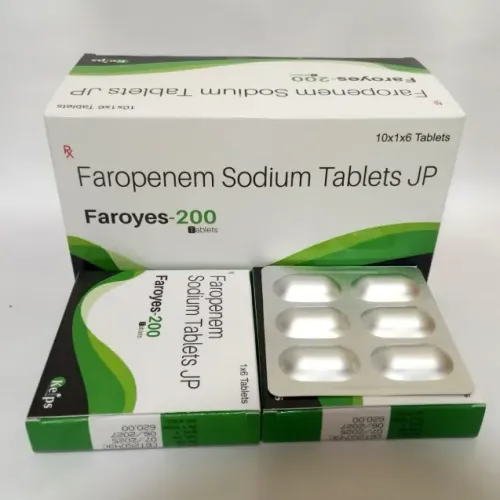
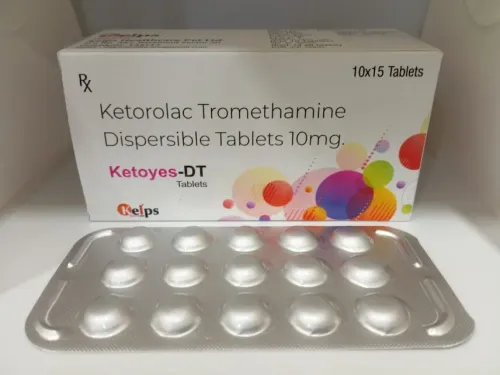
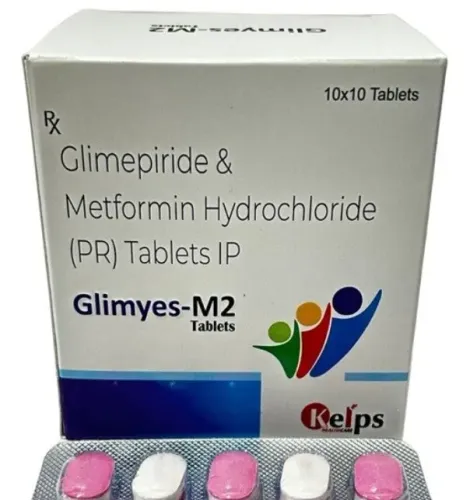
Kelps Healthcare operates from Panchkula, Haryana, providing pharmaceutical manufacturing and related solutions for businesses evaluating outsourced production. A prospective client can make the initial discussion more productive by providing clear product specifications, quantity requirements, packaging expectations, and intended market details.
You Have a Reorder Plan
Manufacturing readiness includes thinking beyond the first batch.
Estimate when successful products may require replenishment and ask how much production lead time should be allowed.
This can help prevent avoidable stock gaps after market demand begins developing.
You Know What Success Looks Like
Before placing an order, establish measurable commercial expectations.
These might include:
- Monthly product movement
- Number of active buyers
- Reorder frequency
- Inventory turnover
- Geographic coverage
- Customer retention
These indicators help determine whether the product range should be expanded, maintained, or adjusted.
For pharmaceutical entrepreneurs and established businesses in Panchkula and across Haryana, third-party manufacturing can provide a practical way to build or expand a product portfolio without establishing an independent production facility.
Readiness, however, matters. A business that understands its products, quantities, customers, budget, documentation, packaging, and distribution strategy is better positioned to conduct a focused manufacturing discussion and make commercially informed decisions.
Keywords