Pharmaceutical businesses depend on inventory availability. When important products are repeatedly unavailable, distributors can lose orders, pharmacies may seek alternative suppliers, and healthcare businesses can face procurement difficulties.
Choosing a Pharma Products Supplier therefore requires attention to supply reliability as well as price.
Start with Your Actual Inventory Requirements
Different pharmaceutical businesses have different purchasing patterns.
A wholesaler may require higher quantities across multiple categories. A pharmacy may purchase smaller quantities frequently. Hospitals and clinics may need selected products according to institutional requirements.
Before comparing suppliers, identify:
- Required product categories
- Typical monthly volume
- Reorder frequency
- Storage capacity
- Delivery expectations
- Budget
This creates a realistic basis for supplier evaluation.
Compare Product Availability
A large product catalogue is useful only when the products you need are actually available.
Ask suppliers how they communicate stock availability and how frequently core products are replenished.
If a particular category is important to your customers, establish whether the supplier can support recurring orders.
Look at Batch Information
Pharmaceutical inventory needs traceability.
Businesses should maintain appropriate records for incoming stock and review relevant batch, manufacturing, expiry, and product information.
Organised inventory records can make stock management easier and support responsible distribution practices.
Consider Shelf Life
Shelf life has direct financial implications.
A low-cost product may become expensive if insufficient remaining shelf life makes it difficult to sell before expiry.
Businesses should therefore evaluate shelf life alongside quantity and expected sales velocity.
Understand Dispatch Timelines
Ask what happens after an order is confirmed.
How long does order processing usually take? How is dispatch coordinated? What information is provided when products are temporarily unavailable?
These operational details become increasingly important as order volume grows.
Assess Packaging for Distribution
Products may pass through several stages of transportation before reaching pharmacies or healthcare customers.
Outer packaging should therefore be suitable for routine logistics.
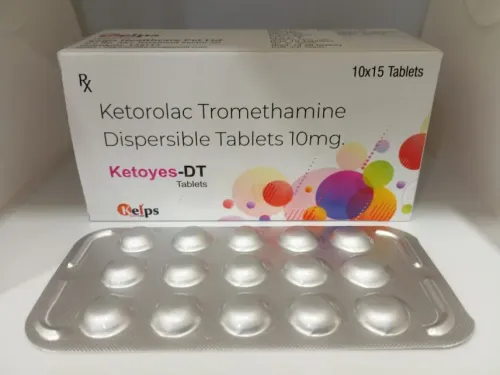
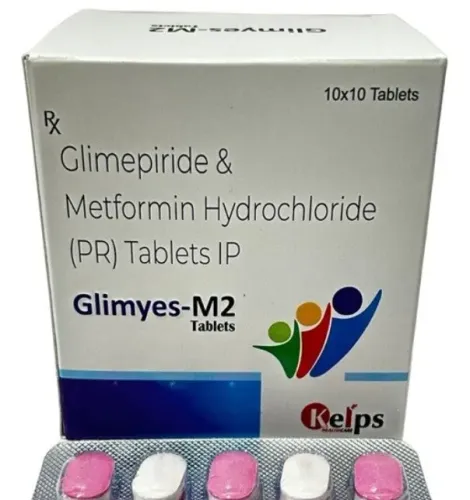
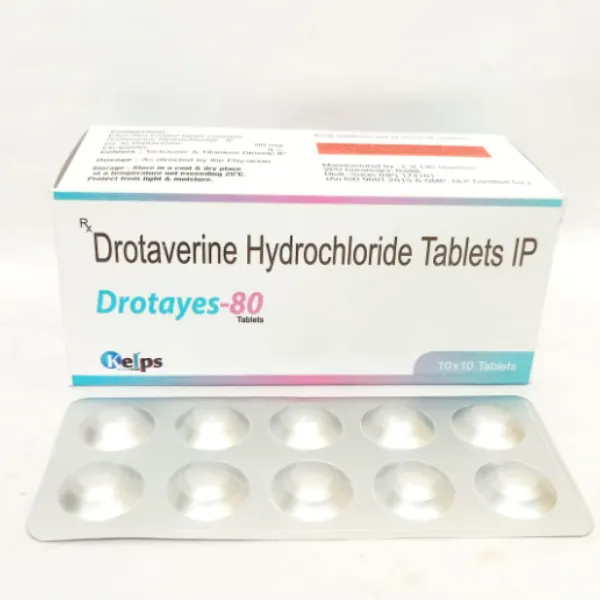
Buyers should inspect whether cartons and individual packs are appropriately protected and clearly identifiable.
Compare Total Procurement Cost
Unit price is only one part of procurement cost.
A meaningful comparison may include:
- Product price
- Freight
- Minimum order quantities
- Payment terms
- Storage impact
- Expiry risk
- Frequency of replenishment
A supplier offering smaller practical order quantities, for example, could sometimes provide better inventory economics than a lower-priced supplier requiring excessive stock.
Kelps Healthcare operates from Panchkula in Haryana's pharmaceutical business environment, providing a relevant option for businesses assessing pharmaceutical manufacturing and supply arrangements. Buyers should evaluate available products, quantities, commercial terms, and supply schedules according to their own procurement requirements.
Communication Matters During Shortages
Supply disruptions can occur in many industries, including pharmaceuticals.
The difference often lies in how clearly the situation is communicated.
A professional supplier should be able to provide useful information about availability rather than leaving buyers uncertain about pending requirements.
This allows distributors and pharmacies to plan inventory more effectively.
Consider Long-Term Fit
A supplier that works well for a small initial order may need to support larger requirements as the buyer grows.
Businesses should consider whether the relationship can accommodate:
- Additional products
- Increased order volumes
- Repeat manufacturing
- Different packaging needs
- Expanding distribution territories
For pharmaceutical distributors, pharmacies, wholesalers, clinics, and healthcare businesses in Panchkula and across Haryana, supplier selection should be treated as an operational decision rather than a simple price comparison.
Reliable inventory depends on suitable products, appropriate quantities, usable shelf life, clear documentation, dependable dispatch planning, and professional communication.
Keywords