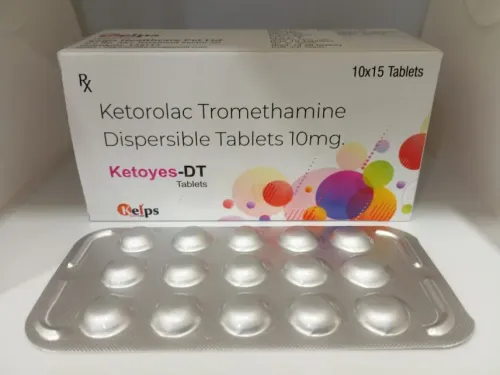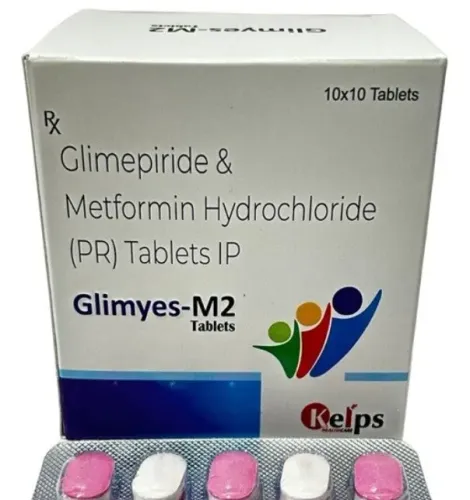

Starting a PCD Pharma Franchise can provide an accessible route into pharmaceutical distribution, but choosing a franchise arrangement requires more investigation than comparing product lists and margins.
A structured checklist helps prospective franchise owners identify practical issues before committing working capital.
Check the Product Portfolio
Begin by reviewing whether the available products match your intended market.
Ask:
- Are the required therapeutic categories available?
- Are the dosage forms relevant to local demand?
- Is there enough variety without unnecessary duplication?
- Can successful products be reordered reliably?
A catalogue should support a commercial strategy rather than simply look extensive.
Evaluate Market Demand
Before investing in stock, speak with potential buyers.
Retail pharmacies, clinics, hospitals, wholesalers, and other healthcare businesses can provide useful indications of local demand.
For entrepreneurs in Panchkula, studying the Haryana pharmaceutical market can help identify categories with recurring demand and areas where competition is already intense.
Review Manufacturing Information
Understand where and how products are manufactured.
Ask relevant questions regarding manufacturing arrangements, applicable quality systems, product specifications, batch information, and documentation.
Do not rely solely on broad marketing statements.
Examine Packaging Quality
Inspect representative product packs where possible.
Look for clear printing, appropriate product information, suitable materials, and practical transportation protection.
Packaging should help preserve product integrity while making stock identification straightforward.
Understand Commercial Terms
Business owners should know exactly how the arrangement works financially.
Clarify:
- Product pricing
- Minimum order requirements
- Payment terms
- Freight arrangements
- Applicable taxes
- Credit conditions where available
- Replacement policies where relevant
These details affect actual working-capital requirements.
Ask About Territory Terms
If territory-based arrangements form part of the franchise proposal, understand their scope clearly.
Determine whether the territory is defined by city, district, region, or another boundary and what conditions apply.
Territory arrangements should be documented rather than assumed.
Review Order Fulfilment
A promising product becomes difficult to build if replenishment is unreliable.
Ask how orders are processed, what happens when an item is temporarily unavailable, and what typical dispatch planning looks like.
Kelps Healthcare operates in Panchkula within the pharmaceutical manufacturing and PCD sector. Prospective partners evaluating the company should compare its product and business arrangements against their own territory requirements, investment capacity, and intended customer base.
Calculate Working Capital
The initial stock purchase is only part of the required investment.
Your budget may also need to cover:
- Transportation
- Storage
- Sales activities
- Market visits
- Staff
- Promotional expenses
- Customer credit
- Repeat inventory
Maintaining a cash reserve for replenishment can be particularly important once products begin moving.
Assess Communication Before Starting
The evaluation period itself can reveal useful information.
Observe whether product questions receive clear answers, whether commercial terms are explained consistently, and whether required information is provided in an organised manner.
Good communication can become especially valuable when managing repeat orders.
Avoid Decisions Based Only on Margin
High margins may look attractive on paper, but they have limited value without product movement.
A more useful question is whether the products can generate sustainable repeat demand at commercially viable margins.
A PCD franchise should ultimately function as a distribution business, not merely as a stock purchase.
For entrepreneurs evaluating opportunities in Panchkula and Haryana, the strongest approach is to combine supplier assessment with local market research. Verify the products, understand the terms, calculate the complete investment, and determine who will buy the stock before committing significant capital.
Keywords