ISO certification is frequently considered during pharmaceutical supplier evaluation, but buyers should understand what certification represents and what else needs to be checked.
When evaluating an ISO Certified Pharmaceutical Company, certification should form one part of a broader manufacturing assessment rather than become the only selection criterion.
Understand What the Certification Covers
ISO standards address different management systems and operational areas.
Businesses should therefore avoid treating the word ISO as a complete description of pharmaceutical manufacturing quality.
Ask:
- Which standard is referenced?
- What entity issued the certificate?
- What activities are covered?
- What facility or business scope does it apply to?
- Is the certification currently valid?
These questions provide more useful information than simply seeing an ISO logo.
Review Pharmaceutical Manufacturing Requirements Separately
Pharmaceutical manufacturing operates under industry-specific regulatory requirements.
Businesses should verify the relevant licences, manufacturing arrangements, quality requirements, and documentation applicable to the products being considered.
ISO certification should not be assumed to replace pharmaceutical regulatory requirements.
Ask About Quality Control Procedures
A manufacturer should be able to explain how quality is managed through the production process.
Depending on the manufacturing arrangement, important areas may include:
- Raw material controls
- Production procedures
- In-process checks
- Finished-product assessment
- Packaging controls
- Batch documentation
- Storage
- Traceability
The purpose of asking these questions is to understand how quality procedures function in practice.
Match Capability to Your Product
A manufacturer may have organised quality systems but still not be the appropriate production partner for a particular dosage form or formulation.
Verify whether the required products fall within the provider's manufacturing capabilities.
This is particularly important for businesses planning multi-category portfolios.
Examine Documentation
Request relevant information needed to assess the proposed manufacturing relationship.
The exact documents required can vary depending on the product, manufacturing model, and applicable regulations.
Where the business does not have internal regulatory expertise, professional compliance guidance can help determine what should be verified.
Discuss Production Quantities
Quality assessment should be combined with commercial feasibility.
Determine whether minimum batch quantities match expected sales.
A technically suitable manufacturer may still be commercially unsuitable if required production quantities create excessive inventory.
Review Packaging Capabilities
Businesses building their own pharmaceutical brands should understand what packaging formats can be supported.
Discuss pack size, materials, printing requirements, outer packaging, and other specifications before production begins.
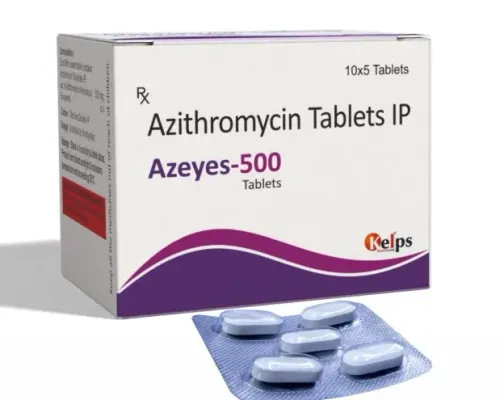
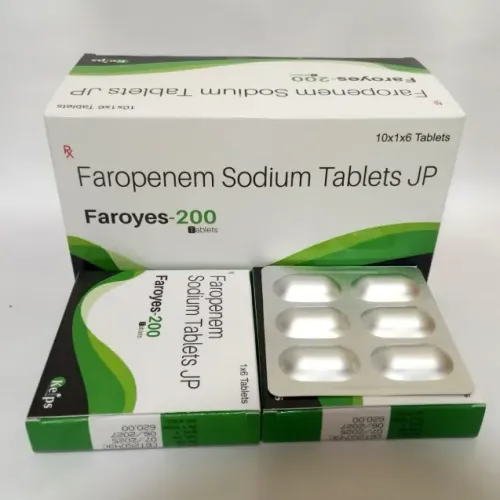
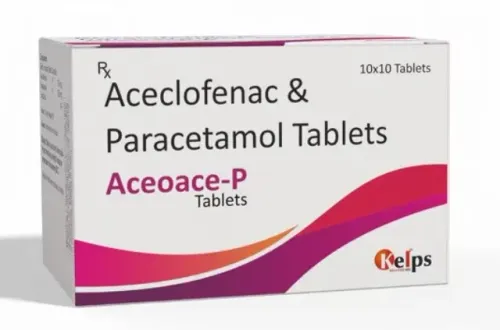
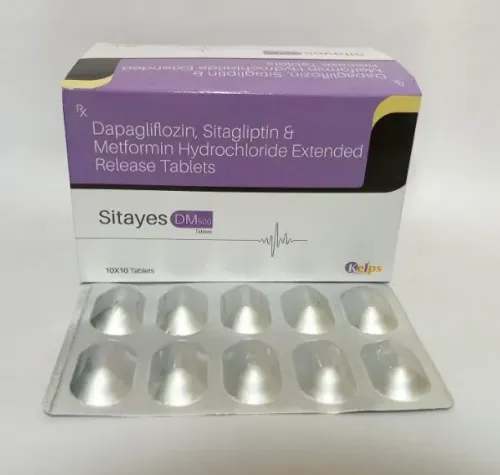
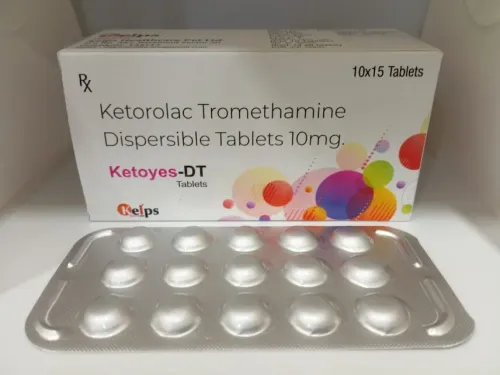
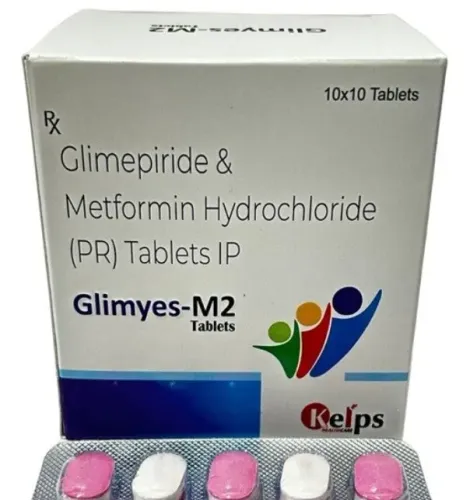
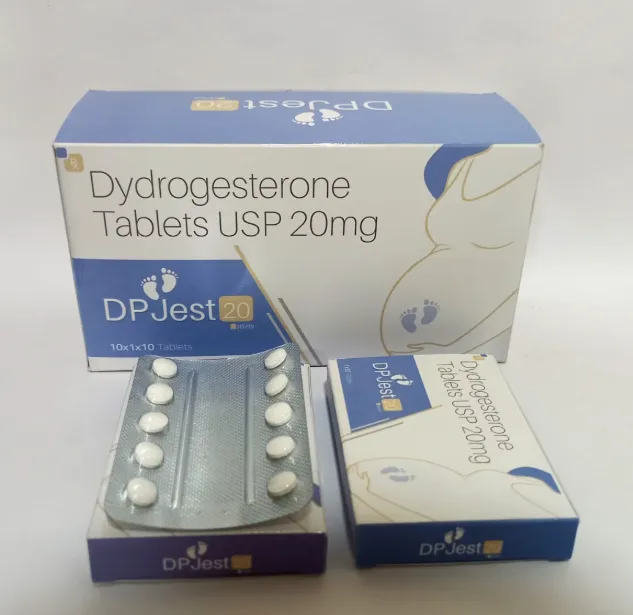
Kelps Healthcare is located in Panchkula, Haryana, and operates within pharmaceutical manufacturing and related business supply. Companies evaluating any manufacturing provider, including Kelps Healthcare, should verify certifications and applicable manufacturing information directly rather than relying on assumptions created by general industry terminology.
Assess Operational Reliability
Quality systems matter, but so do execution and communication.
Ask how manufacturing schedules are planned, how changes are communicated, and what process is followed for repeat production.
This helps determine whether the manufacturer can support an ongoing commercial relationship.
Use a Multi-Factor Selection Process
A practical manufacturer assessment can cover:
- Relevant certifications
- Regulatory documentation
- Manufacturing capability
- Quality processes
- Product suitability
- Batch quantities
- Packaging options
- Production timelines
- Commercial terms
- Communication
For pharmaceutical businesses in Panchkula and the broader Haryana market, certification can provide useful information during supplier screening, but it should never become a substitute for complete due diligence.
The right manufacturing decision comes from verifying what standards apply, examining relevant capabilities, understanding the proposed production arrangement, and confirming that both quality and commercial requirements can be supported.
Keywords