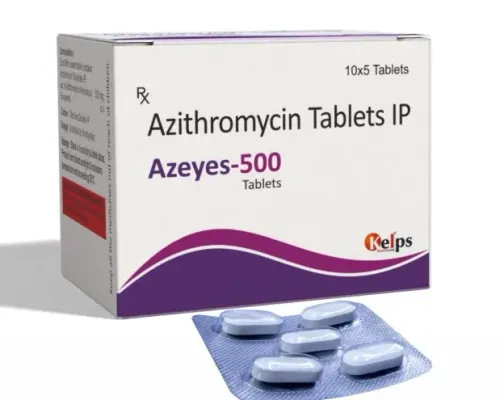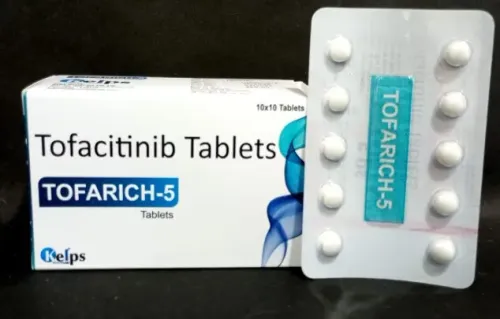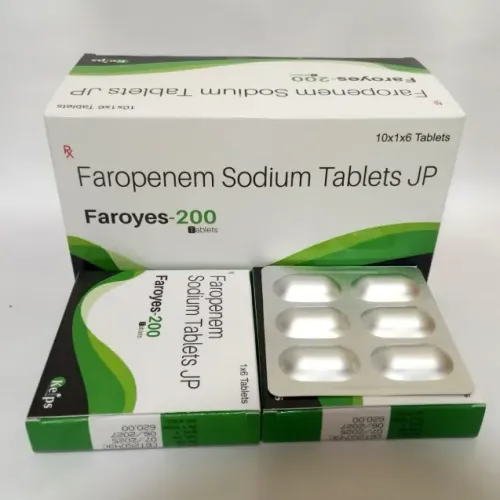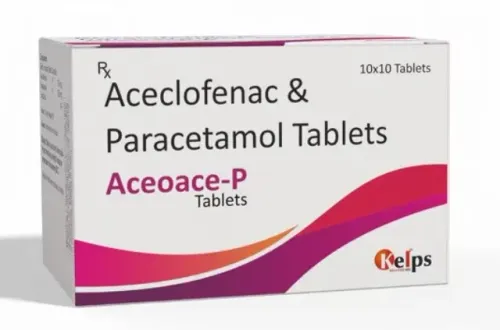
Not every pharmaceutical business wants to distribute an existing product catalogue. Some companies need a product developed or manufactured according to specific commercial requirements.
Custom Pharmaceutical Solutions can support businesses that want greater control over formulation requirements, dosage form, packaging, batch quantities, or brand presentation without building an independent manufacturing facility.
Custom Manufacturing Starts with a Clear Requirement
The first step is defining what the business actually needs.
A useful initial brief may include:
- Product category
- Intended formulation
- Dosage form
- Strength
- Pack size
- Expected quantity
- Packaging requirements
- Target market
- Desired production schedule
The more precise the requirement, the easier it becomes for a manufacturer to assess feasibility.
Formulation Feasibility Must Be Evaluated
A product idea is not automatically ready for manufacturing.
Manufacturers need to determine whether the requested formulation can be produced within relevant technical, regulatory, quality, and manufacturing requirements.
Businesses should therefore expect discussions about specifications rather than assuming every requested combination can immediately enter production.
This stage is particularly important for healthcare entrepreneurs developing their first branded pharmaceutical range.
Dosage Form Changes Manufacturing Requirements
Tablets, capsules, liquids, topical products, and other dosage forms involve different equipment and production processes.
A pharmaceutical manufacturer may specialise in particular dosage forms or operate through facilities equipped for multiple categories.
Businesses seeking custom production should verify that the required manufacturing capability matches the proposed product.
Packaging Should Be Planned Early
Packaging decisions affect more than appearance.
Pack configuration can influence:
- Manufacturing workflow
- Material procurement
- Transportation
- Storage
- Product identification
- Commercial positioning
Finalising packaging too late can delay production.
It is therefore useful to discuss packaging requirements while the product specification is being developed.
Production Quantity Influences Commercial Feasibility
Custom manufacturing normally involves practical batch-size considerations.
A very small quantity may not be commercially practical for a manufacturing run, while unnecessarily large production can create inventory risk for the brand owner.
Businesses should ask about feasible production quantities and calculate expected sales before committing to stock.
Documentation Should Be Discussed in Advance
Pharmaceutical products operate within regulatory frameworks.
The specific documentation required depends on the product, manufacturing arrangement, and applicable regulations.
A business seeking third-party or custom manufacturing should understand its own responsibilities as well as those handled by the manufacturer.
Professional legal, regulatory, or pharmaceutical compliance advice may be appropriate where necessary.
Supply Planning Should Consider Reorders
The first production batch is only one part of the process.
If a product succeeds, the business needs a plan for replenishment.
Ask about:
- Typical production lead times
- Raw material planning
- Packaging material availability
- Reorder procedures
- Batch quantities
- Dispatch coordination
This helps reduce future supply gaps.
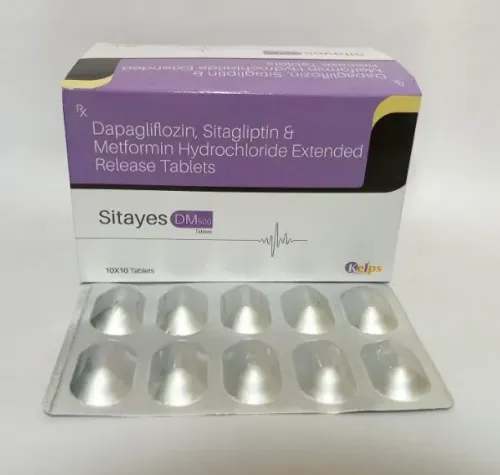
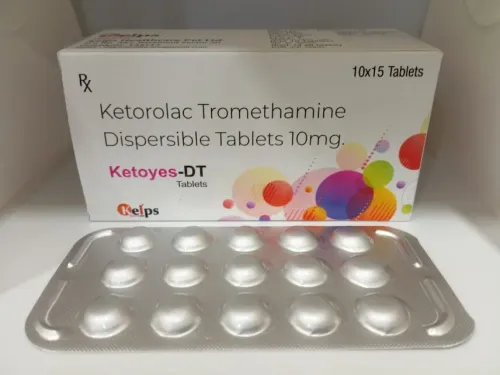
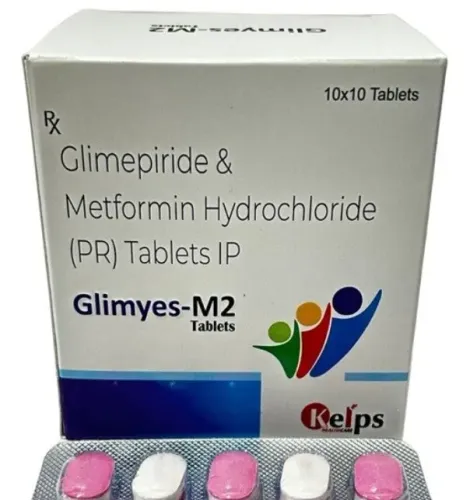
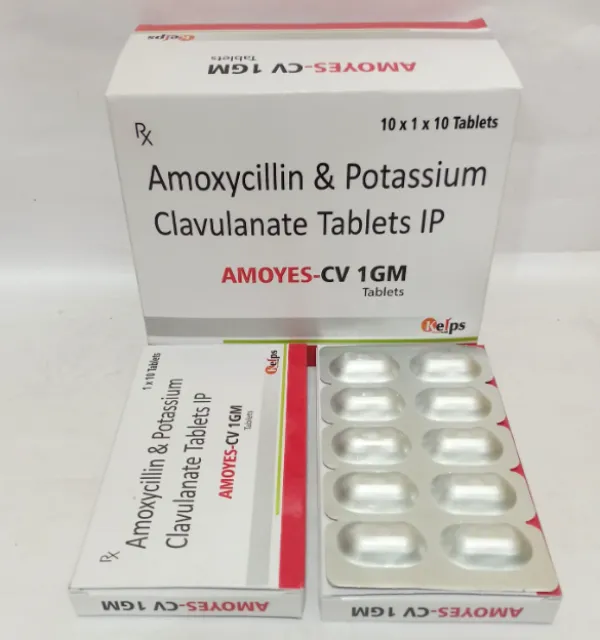
Kelps Healthcare operates from Panchkula, Haryana, in the pharmaceutical manufacturing sector and can be evaluated by businesses exploring custom or third-party production requirements. A detailed manufacturing discussion should establish feasibility, quantity, product specifications, packaging, and documentation before commercial production is planned.
Customisation Should Serve a Business Purpose
Customisation is most useful when it responds to a genuine commercial requirement.
Creating unnecessary variations can complicate inventory and increase costs.
Businesses should be able to explain why the proposed product belongs in their portfolio.
The reason might be customer demand, a particular therapeutic segment, an identified market gap, or expansion of an established product line.
For pharmaceutical businesses in Panchkula and the wider Haryana market, custom manufacturing can provide a route to building a differentiated portfolio without investing directly in manufacturing infrastructure.
The strongest projects begin with clear specifications, realistic quantities, documented requirements, and an achievable plan for bringing the product into regular distribution.
Keywords