Medicine quality depends on more than a passing laboratory result: suppliers, processes, records, storage conditions and release decisions all affect the batch that reaches a patient. By the end, you will know which controls to examine, which documents to request and how to judge whether supply promises are operationally credible.
Key takeaways
- Keep incoming materials in quarantine until identity and specifications are verified.
- Review sterility, endotoxin and container integrity results for injectable medicines.
- Ask for batch records, release evidence, traceability and temperature logs.
- Test a partner’s recall process, stock planning and complaint response before signing.
How raw materials and manufacturing processes are controlled
A manufacturer prevents unsuitable ingredients from entering a batch by keeping every delivery in quarantine until its identity, documentation and test results meet written specifications. A supplier’s certificate of analysis supports the decision; it does not replace the manufacturer’s responsibility to verify the material.
1. Qualify suppliers using audits, technical agreements, material specifications and performance history. Monitor active pharmaceutical ingredients, excipients, packaging materials, sterilisation providers and contract laboratories, then requalify them when quality trends deteriorate or operations change.
2. Apply documented incoming sampling and testing procedures. Trained staff sample sealed containers using approved plans, label each sample and retain traceability to the supplier lot. Quality control confirms identity and tests attributes such as assay, water content, microbial quality or particle size when the specification requires them.
Reject or investigate any lot with an unexplained discrepancy.
3. Control manufacturing through approved master instructions, calibrated equipment, trained operators and validated process parameters. Electronic or paper records show weighing, dispensing, blending, compression, coating and packaging activities, while line clearance prevents labels, components or remnants from the previous product entering the next batch.
4. Use in-process checks to detect variation before it spreads. Tablet weight, hardness, blend uniformity, compression force and coating conditions can trigger an adjustment or batch investigation; a final passing result cannot erase an uncontrolled step.
Formal change control governs any alteration to a formulation, supplier, site, process, analytical method, packaging component or storage condition. The assessment records quality risk, validation or comparability work, updated documents and any required regulatory notification before implementation.
How finished medicines are tested, including sterile injectables
A finished-product specification converts quality into measurable pass-or-fail results. Tablets are tested against the approved formula, strength, release behaviour and microbiological limits, while injectables also require tests for sterility, visible and subvisible particulate matter, pH, appearance and extractable volume.
| Test | What it shows | Why it matters |
|---|---|---|
| Assay | Amount of active ingredient | Confirms the medicine contains the declared strength |
| Content uniformity | Active ingredient in individual units | Detects uneven distribution between tablets or capsules |
| Dissolution | Speed and extent of drug release | Shows whether the dose becomes available as designed |
| Microbial limits testing | Bacterial and fungal levels in non-sterile products | Detects contamination that could affect safety or stability |
| Stability testing | Quality after storage over time | Supports the expiry date and storage instructions |
A sterility test does not prove that every injectable unit is sterile: it examines only a sample. Sterile assurance comes from a controlled system, not one final result.
- Use terminal sterilization when the formulation and container tolerate it; use aseptic processing when heat would damage either.
- Qualify cleanrooms, equipment and personnel, then monitor air, surfaces and operators for contamination trends.
- Validate sterilizing filtration, sterilization cycles and aseptic-process simulations.
- Test container-closure integrity, because visual inspection cannot detect every leak that permits microbial entry, moisture or oxygen ingress.
- Investigate adverse trends, deviations and failed tests before batch release.
A passing assay or sterility test cannot rescue an uncontrolled process. Batch release requires review of results, records, deviations and investigations together.
How a batch is released, traced, stored and transported
Sale begins only after the quality unit reviews the complete batch file and an authorised release person approves the batch. Production completion or a passing laboratory result alone does not authorise distribution.
The records that identify and trace a batch include:
- The batch manufacturing record, showing materials, equipment, processing steps, yields, deviations and approvals.
- The batch number, manufacturing date and expiry date printed on the pack and recorded on invoices and stock records.
- Laboratory results, packaging checks, release signatures and any investigation linked to the batch.
- Customer and shipment records showing which distributor received each quantity.
For an expiry date overview, compare the labelled expiry date with remaining shelf life at dispatch and apply first-expiry, first-out stock rotation. Accurate records let a distributor locate affected customers and quantities for a targeted withdrawal instead of removing every product from the market.
Storage instructions protect quality after release:
- Keep products within the labelled temperature and humidity limits.
- Segregate released stock from quarantined, returned, damaged or expired stock.
- Use calibrated thermometers or data loggers and review readings at defined intervals.
- Qualify warehouse areas and transport packaging for loading patterns and seasonal conditions.
Cold-chain qualification must cover the packaging configuration, route duration, loading pattern and seasonal extremes. A temperature logger does not repair an inadequate shipper. After an excursion, quarantine the stock and assess the recorded exposure against product stability data and predefined disposition criteria; release, reject or extend handling only with documented quality approval.
How to judge supply planning and a prospective pharmaceutical partner
Before placing an order, compare evidence rather than promises: recent fill-rate records, current inventory by batch and expiry, written lead times, minimum order quantities, and a sample certificate of analysis (CoA). Ask how the supplier handles shortages, artwork changes, rejected batches and temperature-sensitive deliveries.
| Evidence to compare | Why it matters | What to ask for |
|---|---|---|
| Demand forecasting | Prevents production from following guesswork | Forecast method, review frequency and forecast-error data |
| Safety stock | Buffers a sudden order or manufacturing delay | Target stock level and the trigger for replenishment |
| Lead time | Shows how quickly stock can be replaced | Separate timelines for materials, production, testing, packaging and dispatch |
| Minimum order quantity | Affects cash tied up and expiry risk | MOQ by product, batch size and options for smaller replenishment orders |
| Shelf life and FEFO | Limits expiry-driven write-offs | Remaining shelf life at delivery and proof that FEFO is used |
| Territory terms | Determines whether another distributor can disrupt your market | Written area, exclusivity, sales targets, termination and stock-transfer terms |
A sound demand forecasting process links sales history to seasonality, new-prescription expectations and forecast uncertainty. Safety stock must cover the supplier’s full lead time, not just factory production; otherwise a packaging delay can create a stock-out.
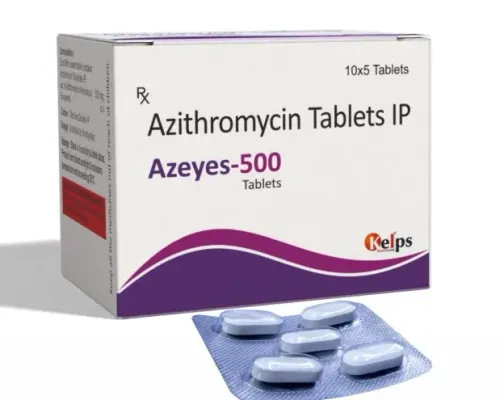
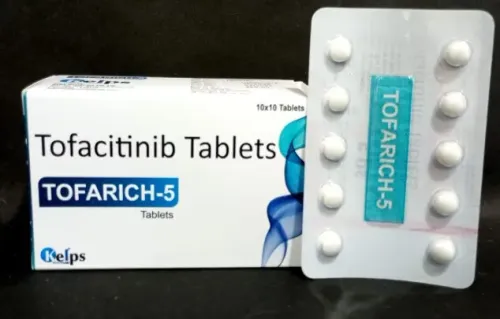
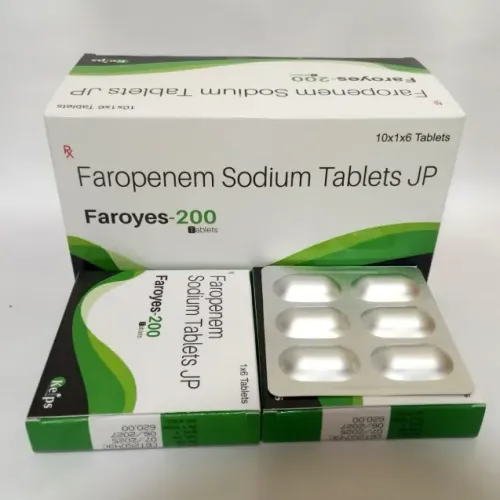
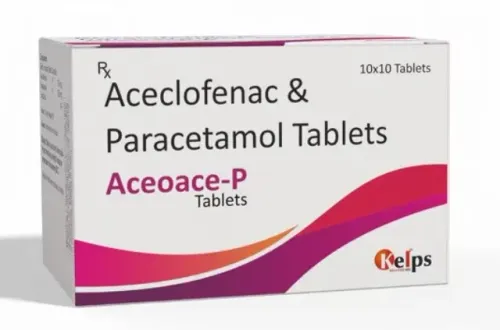
For products supplied by kelps healthcare, ask for the same batch-level expiry, CoA, replenishment and territory evidence you would require from any prospective partner. Reject terms that offer exclusivity without defined service levels, or low MOQs that come with long, unpredictable lead times.
How complaints, recalls and supply failures are handled
A complaint is a quality signal, not proof that a product failed. Log the product name, strength, batch number, expiry date, customer, quantity, storage history and description of the problem; route adverse events to pharmacovigilance for medical assessment.
- Assign an investigator and risk-rank the signal. A suspected counterfeit requires immediate notification through the company’s anti-falsification process, while a possible contamination, mix-up or serious injury demands urgent escalation.
- Quarantine stock at the manufacturer, warehouse, distributors and customers when the affected batch or wider product scope is plausible. Stop further distribution while testing, record review and supplier or transport investigations establish the cause.
- Reconcile batch and customer records, including quantities made, shipped, returned and remaining. This evidence defines whether a targeted withdrawal is adequate or whether a product recall must cover multiple batches or markets.
- Document root cause, impact assessment, corrective and preventive actions, effectiveness checks, and regulatory communications. Do not close the investigation because a repeat sample passes; explain the original signal.
A failed supplier, packaging component or transport route needs a controlled replacement, not an informal substitution. Assess the change for quality, validation, shelf life and regulatory consequences before use, and qualify an approved alternative where possible.
Maintain supply by releasing unaffected stock only after review, reallocating safe inventory, prioritising critical medicines, and giving distributors a dated replenishment plan. If temperature excursions or delayed transport threaten remaining shelf life, segregate the shipment and decide its disposition from stability evidence rather than convenience. Reconcile returned stock before restarting distribution.
Frequently asked questions
How are raw materials controlled before manufacturing?
The manufacturer keeps each delivery in quarantine and checks its identity, supplier documentation, certificate of analysis and test results against written specifications before approval.
What testing is required for sterile injectable medicines?
Sterile injectables require checks such as sterility testing, bacterial endotoxin testing, particulate inspection, assay and container-closure integrity, with results reviewed before batch release.
How can a medicine batch be traced after release?
A batch record links the finished product to its raw-material lots, manufacturing steps, test results, release decision, customers and distribution records.
What should you check when evaluating a pharmaceutical supply partner?
Check licence documents, quality agreements, batch-release records, storage conditions, transport temperature logs, stock planning, complaint handling and recall procedures.