The model is a chain of purchases, controlled territory rights, inventory decisions and local selling—not simply a promise of high margins. By following the money, documents, responsibilities and stock movement, you can judge whether a proposed franchise arrangement is workable before placing an order or signing an agreement.
Key takeaways
- Separate manufacturer, distributor and promotion responsibilities in the agreement.
- Calculate inventory, credit and promotion costs before placing the first order.
- Confirm monopoly territory boundaries, duration, exclusions and breach remedies in writing.
- Check licences, batch records, invoices and quality controls before ordering.
Who buys, sells and promotes the medicine at each step?
The PCD pharma franchise process starts when you select a manufacturer, product portfolio and defined territory, then sign an agreement covering prices, minimum orders, credit, promotion and exclusivity. The manufacturer and franchisee roles must be separate and written clearly.
- The franchise holder places a purchase order after local demand is identified. The manufacturer raises the tax invoice, releases compliant stock with batch and expiry details, and dispatches it.
- The franchise holder buys the stock, promotes it to permitted healthcare audiences and coordinates local sales. Promotion must not offer healthcare professionals prohibited gifts, travel, hospitality or monetary inducements.
- A stockist or distributor stores inventory and supplies retailers. In a direct model, the franchise holder invoices retailers itself; through a stockist, the stockist buys or holds stock and supplies those retailers.
| Role | Buys from | Sells or selects for | Main responsibility |
|---|---|---|---|
| Manufacturer | Raw-material suppliers | Franchise holder or trade channel | Manufacture, quality release, invoicing and dispatch |
| Franchise holder | Manufacturer | Stockist, distributor or retailer | Promotion, territory coordination and collections |
| Stockist or distributor | Franchise holder or manufacturer | Retailer | Storage, supply and batch records |
| Retailer | Franchise holder or stockist | Patient | Licensed sale and prescription handling |
| Doctor | Does not buy for the patient | Selects treatment | Prescribing |
| Patient | Retailer | Own treatment | Purchases through the licensed retail channel |
Assign storage temperatures, complaint handling, recall tracing, prescription records, batch documentation and payment collection in writing. Retailer and prescription medicines need particular care.
Sales data then reveal which products moved, creating the next purchase order. That recurring cycle links demand, dispatch, resale and repeat ordering.
Where does the margin come from, and how much cash gets tied up?
1. Start with the product purchase price, not the catalogue percentage. Suppose you buy 1,000 strips at a net price of Rs 40 each: product cost is Rs 40,000. If you sell them through a stockist at Rs 52 per strip, revenue is Rs 52,000 and gross trade margin is Rs 12,000.
2. That Rs 12,000 is not net profit. Subtract Rs 2,000 freight and Rs 1,500 local promotional material, leaving Rs 8,500 before salaries, interest, tax, expiry, damage and collection losses. Confirm whether each quoted price includes GST, whether input-tax credit is available, and who pays other taxes or transport charges.
3. Map the permitted resale price against the printed MRP. The stockist or distributor margin and retailer margin must fit within the lawful trade structure, so Rs 52 is not automatically permissible. Scheduled formulations remain subject to DPCO, 2013 ceiling prices, which incorporate the permitted retailer margin; printed MRP is not unrestricted margin headroom.
Non-scheduled formulations also face a 10% annual MRP-increase limit.
4. Calculate cash tied up across the working-capital cycle: supplier advance or credit period, inventory held, stockist payment terms and delayed retailer collections. A minimum order quantity pharma quote can force cash into slow-moving stock before demand is proven. Ask for shelf-life, expiry-return and credit terms in writing.
A claimed 30% PCD pharma franchise margin describes a price difference, not your return on cash. Compare the product purchase price, freight, GST timing, promotion, financing cost and collection delay before accepting the margin. One unpaid customer or expired batch can turn a positive gross margin into a loss.
What does monopoly territory actually protect?
PCD monopoly rights are contractual, not a separate statutory right under India’s Drugs and Cosmetics Act. A pharma franchise agreement protects only the area, customers and products that it describes; without those boundaries, the manufacturer may appoint another party or sell directly in the same market.
Define the reserved area as a named district, city, pin-code cluster or list of towns. State whether exclusive territory pharma rights cover hospitals, institutional accounts, online sales, existing customers and each product category, and specify the duration.
| Clause | What to check before signing |
|---|---|
| Territory and appointment | Exact area and customer definition; exclusive or non-exclusive appointment; excluded hospitals, accounts, online channels and existing customers |
| Commercial duties | Minimum purchases, payment deadlines, price-change notice, freight responsibility and promotional support |
| Stock and exit | Expiry or near-expiry returns, damaged-goods replacement, termination notice, dispute jurisdiction and treatment of termination and expiry stock |
Exclusivity can end or narrow after missed minimum orders, overdue invoices, licence loss, regulatory action, agreement expiry or failure to submit required sales reports. The contract should also state the remedy: replacement stock, credit note, refund or compensation when the manufacturer breaches the reservation.
Reject a verbal promise of “monopoly.” The written agreement must say what the manufacturer cannot sell, whom it cannot appoint, how long the restriction lasts and what stock solution or compensation follows a breach.
Which documents and controls must be checked before the first order?
Before signing, collect the buyer’s business registration, GST registration, bank details, proposed drug licence, and the State drug-control authority’s sale and distribution permissions. Confirm whether the franchise holder will only promote products or will purchase, store, invoice and distribute them; those activities do not carry the same licensing position.
| Licence | Product coverage | Check before ordering |
|---|---|---|
| Form 20B | Drugs outside Schedules C, C(1) and X | Ordinary wholesale activity |
| Form 21B | Schedules C and C(1), excluding Schedule X | Wholesale activity for these scheduled products |
| Form 20G Schedule X | Schedule X drugs | Separate wholesale permission |
Match the purchase order to the tax invoice before dispatch. Both should identify the product, dosage form, composition, pack, quantity, price, GST, batch details when available, and delivery address.
Ask for the manufacturer’s licence and GMP documents, then match each product and manufacturing site to the permitted licence, including any loan-licence arrangement; a GMP certificate alone proves less than a product-specific match under Schedule M.
- Check Schedule H, H1 and X prescription warnings on the label.
- Maintain a Schedule H1 register with prescriber, patient, drug and quantity details, retaining it for three years.
- Record batch or lot, expiry, manufacturer and customer so a recalled batch can be traced and withdrawn.
- Follow label storage instructions; use validated refrigeration only for products that require it.
Treat supplements and nutraceuticals as food-law products, not automatically as drugs. Local promotion must also comply with UCPMP 2024: do not offer healthcare professionals gifts, travel, hospitality or monetary inducements.
How should you choose the portfolio for one territory?
Choose products that move repeatedly in your territory, not the catalogue with the most brands or the highest claimed margin. Start with therapeutic category selection based on prescription demand: map nearby prescribers, hospitals, pharmacies and stockists, then record which treatments they actually request and which competitors they already buy.
| Dosage form | Local-use question | Main commercial risk |
|---|---|---|
| Tablets | Do pharmacies receive repeat prescriptions for the strength and pack size? | Heavy competition and slow-moving variants |
| Syrups | Will paediatric or family practices reorder the bottle size? | Leakage, short shelf life and bulky transport |
| Injectables | Do licensed hospitals and prescribers create dependable demand? | Higher compliance, handling and expiry risk |
| Topical products | Will dermatology or general-practice retailers stock them? | Shelf space and substitution by established brands |
Check pack size, remaining shelf life, batch frequency, retailer willingness to stock, and minimum order quantity. For cold-chain pharma products, calculate refrigerator purchase, temperature monitoring, validated transport and power-backup costs before ordering.
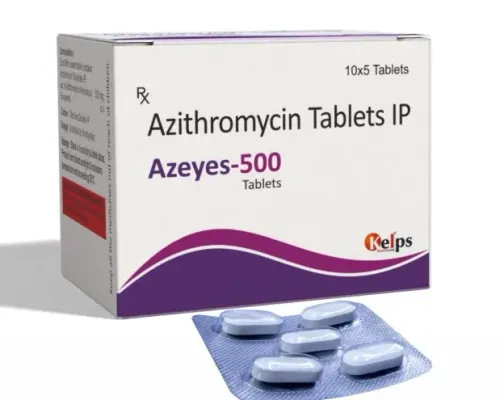
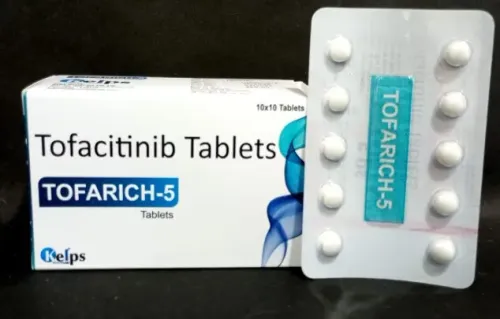
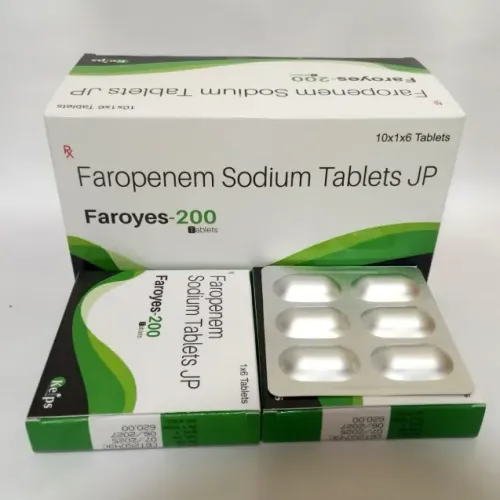
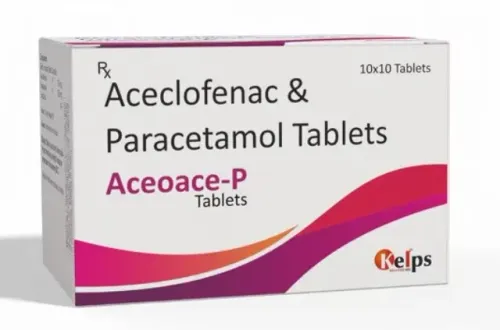
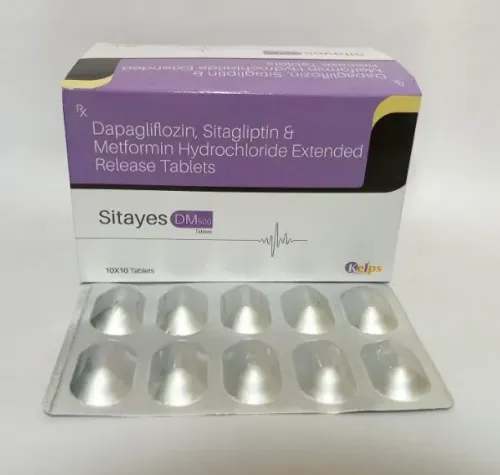
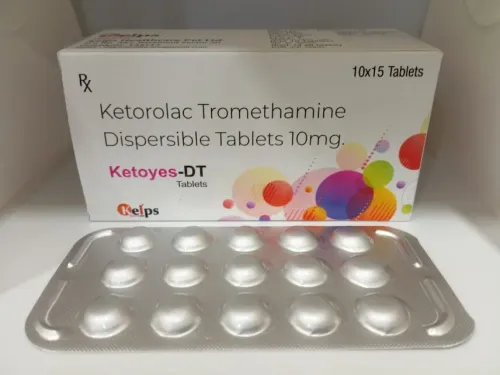
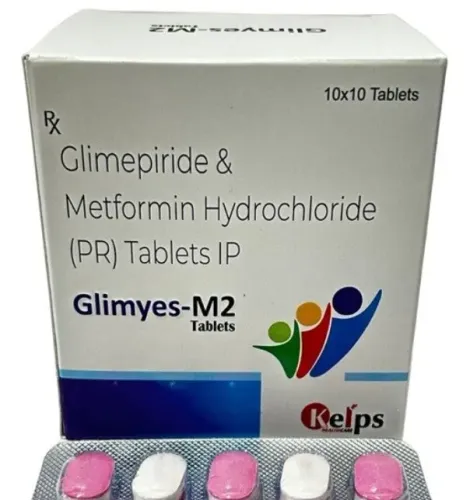
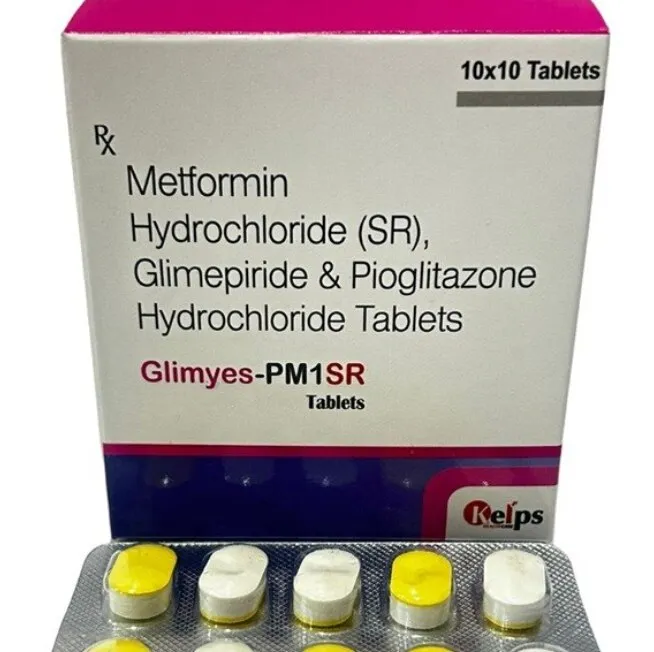
A narrow portfolio with repeat demand often beats a broad range that traps cash in slow-moving inventory. Ask for product-level purchase prices, samples, promotional materials, remaining-shelf-life policy, batch replacement terms and payment conditions. For example, compare kelps healthcare products with your prescriber access, licence position, storage capacity and working-capital limit—not with catalogue size.
Reject any product that:
- Cannot be legally stored or ethically promoted
- Requires cold-chain equipment you cannot maintain
- Cannot be collected from retailers before payment strain develops
- Is unlikely to sell before expiry based on local competition and order frequency
Frequently asked questions
Who buys, sells and promotes medicines in a PCD pharma franchise?
The manufacturer produces and supplies the medicines, while the franchisee buys stock for a defined territory and sells or promotes it to local customers. The agreement must state who handles doctors, retailers, distributors, collection and returns.
Where does the margin come from, and how much cash gets tied up?
Margin comes from the difference between the franchisee’s purchase price and its resale price after freight, promotion, credit losses, taxes and unsold stock. Cash is tied up in the opening inventory, promotional materials, receivables and any minimum-order requirement.
What does monopoly territory protect?
A monopoly clause protects the agreed territory from the manufacturer appointing another franchisee for the covered products during the stated term. Check the map or district list, product exclusions, renewal terms and remedies because it does not automatically prevent every competing brand from selling there.
Which documents should you check before the first PCD pharma franchise order?
Check the manufacturer’s licence copies, product permissions, GST details, agreement, price list, batch and expiry details, invoice terms, return policy and quality records. Confirm that the legal manufacturer, invoice issuer and bank-account holder are consistent.
How should you choose a medicine portfolio for one territory?
Match the portfolio to local prescriber demand, treatment categories, competing brands, retailer access, dosage forms, storage needs and your working capital. Start with products you can explain, stock, rotate and collect payment for instead of choosing only by catalogue size.