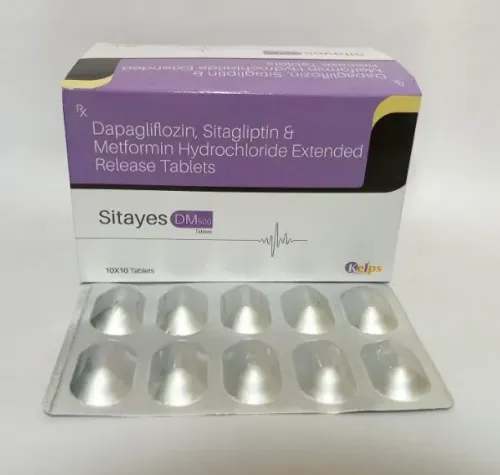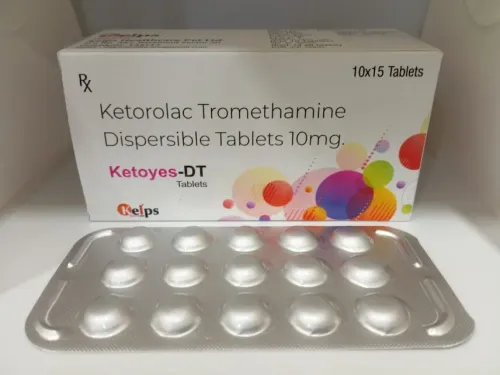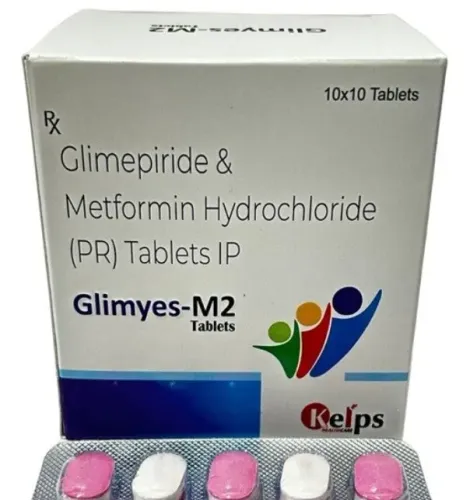
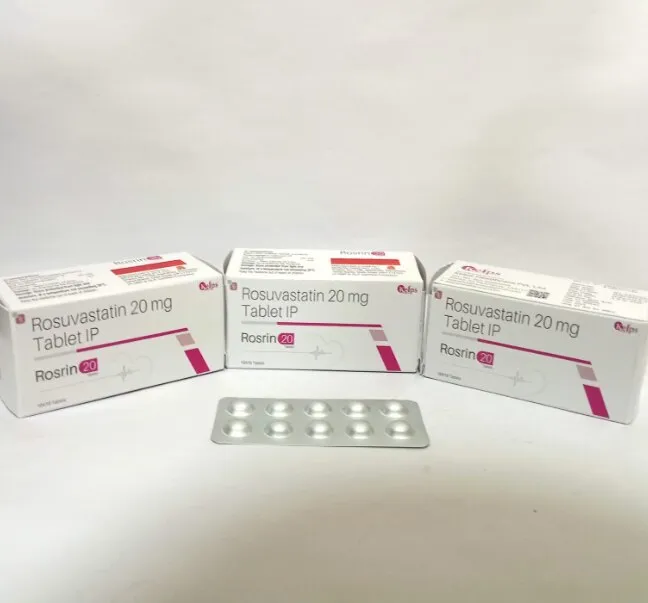
Pharmaceutical business growth depends on more than adding medicine names to a catalogue. You need a workable territory, dependable supply, documented quality, realistic working-capital controls, and a sales process that respects prescription rules; by the end, you will know how to assess each part before signing a PCD agreement.
Key takeaways
- Ask for the company’s licence copies, product documents, and written territory rights.
- Compare PCD franchise costs and control with distribution, super-stockist, and independent marketing models.
- Start with a focused local portfolio matched to prescribing demand and realistic stock turnover.
- Record expiry dates, batch details, complaints, and returns before expanding your product range.
Where a PCD Company Creates Growth Beyond Product Supply
A PCD pharma company supports pharmaceutical business growth by reducing the work and risk between selecting a medicine and building repeat local demand. Its value lies in giving a partner a workable route to market, not merely a catalogue.
Support can include:
- Portfolio access matched to local prescribing demand, strengths, dosage forms, and supply reliability
- Monopoly or territory rights that define the protected area, duration, and performance conditions
- Marketing materials aligned with approved product information and applicable advertising rules
- Order fulfilment, stock planning, delivery coverage, and replacement or expiry policies
- Product information and sales guidance for responsible communication with pharmacies, clinics, and hospitals
A manufacturer can also arrange loan-licence or contract manufacturing to expand the range without building a factory. The manufacturing-licence holder still carries statutory manufacturing responsibility; a marketing agreement does not transfer it to the distributor. Adding injectables therefore demands closer review of contamination controls, aseptic practices, utilities, environmental monitoring, and media-fill or equivalent validation evidence.
Do not judge support by printed trade margin alone. Calculate realised returns after discounts, freight, taxes, promotional spending, expiry returns, credit losses, and inventory financing. A slow-moving high-margin product can weaken cash flow.
Growth also needs a defined route for reporting adverse events, quality complaints, and medication errors. Records that identify the product and batch allow investigation, follow-up, and recall action before sales expansion becomes regulatory exposure.
How the PCD Operating Model Works from Territory to Patient Supply
A distributor moves from territory selection to patient supply through a defined sequence: choose the market, secure product rights, place an opening order, build stock, and sell through approved channels.
1. Map local prescribing demand, competing brands, travel time, storage capacity, and the pharmacies, clinics, and hospitals you can serve. Select products by molecule, strength, dosage form, regulatory status, expiry exposure, minimum order quantity, and supply reliability—not catalogue size.
2. Negotiate the PCD pharma franchise agreement. Confirm the territory boundaries, product list, exclusivity, agreement period, sales expectations, price-revision rules, payment terms, recall duties, expiry replacement, complaint handling, and termination rights. Ask the company to check existing partners before granting territory rights.
3. Place the opening order only after checking batch documentation, invoices, storage instructions, delivery coverage, and realistic movement. Calculate realised margin after discounts, freight, taxes, expiry returns, credit losses, promotion, and inventory financing.
4. Receive and inspect the shipment. Record batch numbers, expiry dates, quantities, and storage conditions, then rotate stock by earliest expiry. Keep invoices and batch records so you can trace every sale.
5. Visit accounts, take purchase orders, supply pharmacies, clinics, and hospitals under their applicable licences, and collect payments. Use the supplier’s order fulfilment process for replenishment, but retain your own stock and receivables control.
| Territory arrangement | Access granted | Main risk |
|---|---|---|
| Exclusive | One appointed partner | Targets must be measurable |
| Non-exclusive | Multiple partners | Price and account conflicts |
| Channel-limited | Rights restricted by channel | Unclear boundaries create disputes |
Route adverse-event reports, medication errors, and product-quality complaints to the designated contact, preserving batch and patient details for follow-up. A marketing agreement does not transfer statutory manufacturing responsibility from the licence holder.
PCD Franchise, Distribution, Super-Stockist, or Independent Marketing?
A PCD franchise gives you a defined territory, selected brands, and commercial support; it is not a separate manufacturing licence under Indian drug law. The legally relevant permissions remain the manufacturing, loan-licence, wholesale, sale, and distribution licences applicable to the products and activities involved.
| Option | Core arrangement | Your commercial role |
|---|---|---|
| PCD franchise | Territory or monopoly rights, portfolio access, promotional materials, order fulfilment, and partner support | Build local demand and supply pharmacies, clinics, or hospitals |
| Pharmaceutical distribution | Buy approved products from a supplier and resell them through an existing channel | Manage purchasing, stock, customers, credit, and collections |
| Super-stockist | Hold larger inventory and supply distributors or franchise partners across a wider area | Finance bulk stock and coordinate downstream availability |
| Independent medicine marketing | Promote selected products under your own commercial arrangements without a supplier-granted PCD territory | Create demand, arrange supply, and carry greater responsibility for market development |
A PCD agreement can give you more control than ordinary pharmaceutical distribution, but exclusivity depends on its written territory, duration, existing-partner checks, and sales conditions. A super-stockist usually earns from volume movement rather than local prescription-building; independent medicine marketing offers flexibility but less structured support.
Compare investment and margins after expiry returns, discounts, freight, credit losses, promotion, taxes, and inventory financing. A high printed margin does not produce a strong return if products move slowly. The manufacturer or licence holder retains statutory manufacturing responsibility; a marketing agreement does not transfer it to you.
You also need a defined route for adverse-event reports, quality complaints, and medication errors.
What to Check Before Signing a PCD Agreement
Verify four things before committing an opening order: the supplier’s legal permissions, product quality evidence, commercial terms, and the exact territory attached to your monopoly rights.
| Check | Evidence to request | Red flag |
|---|---|---|
| Supplier | Manufacturing or loan-licence details, wholesale licence, production site, delivery coverage | The seller cannot identify who manufactures or releases the batch |
| Quality | Certificate of analysis showing batch number, specifications, test results, manufacturing date, expiry date, and authorised quality review | A generic certificate unrelated to your batch |
| Commercial | Minimum order quantity, mixed-SKU option, price list, discounts, payment terms, freight, and price-revision notice | Margin disappears after freight, schemes, or compulsory quantities |
| Territory | Named districts, sales channels, exclusivity period, existing-partner check, and performance conditions | “Exclusive” is verbal or has no target or expiry |
Treat a certificate of analysis as evidence for that batch, not a promise that every future batch will match it. Ask how complaints, recalls, damaged stock, and short-dated or expired goods are handled, including replacement timelines and who pays transport.
Put these clauses in the agreement:
- A precise territory and whether pharmacies, clinics, hospitals, online sales, or institutions are included.
- Minimum performance expectations, review dates, and the consequence of missing them.
- Price revision rules, credit limits, payment due dates, and termination notice.
- A written expiry-replacement policy and recall responsibility.
- A process for checking channel conflicts before you pay.
Whether you assess kelps healthcare or another supplier, compare these documents and obligations rather than catalogue size; a large portfolio cannot compensate for unreliable replenishment or blocked working capital.
How to Build a Local Portfolio Without Creating Compliance or Inventory Risk
Start with prescription demand, not the supplier’s catalogue. Map the molecules, strengths, dosage forms, and seasonal needs most frequently prescribed in your territory, then test each candidate against supply reliability, minimum order quantity, regulatory status, expiry exposure, and margin after discounts, freight, taxes, expiry returns, credit losses, and financing.
1. Build the initial product portfolio selection around a small number of proven prescriptions. Add adjacent products only when the same doctor, clinic, or pharmacy serves a clear patient need; do not cross-sell an unrelated medicine simply because it carries a higher printed margin.
Promotional claims must match the approved product information, with no guaranteed outcomes or unapproved indications.
2. Set reorder points from actual movement and use stock rotation by batch and expiry date. Slow-moving stock consumes cash and can become unsaleable before its nominal margin is realised, so review ageing weekly and negotiate written replacement or expiry-return terms before ordering.
3. Keep regulatory responsibility visible in every manufacturing arrangement. A loan-licence or contract-manufacturing agreement can support expansion, but the licence holder remains responsible for applicable manufacturing requirements; a marketing agreement does not transfer that duty to the distributor.
4. Treat cold-chain growth as a documented process, not a refrigerated vehicle alone. Record temperatures across storage and transport, investigate excursions against the labelled range, and document whether each affected batch is released, quarantined, returned, or destroyed.
5. Give every sales representative a defined route for adverse-event reports, product-quality complaints, and medication errors. Record the batch number, patient or reporter details, product, event, dates, and follow-up actions so pharmacovigilance teams can assess signals and support recalls.
Frequently asked questions
Where does a PCD pharma company create growth beyond product supply?
It can support territory planning, product selection, promotional materials, order coordination, regulatory documentation, and repeat-demand development alongside medicine supply.
How does the PCD operating model work from territory to patient supply?
A company grants a partner defined territory rights, supplies approved products, and supports local promotion and distribution. The partner then manages orders to pharmacies, clinics, hospitals, or distributors, while patients receive medicines through licensed healthcare channels.
How do PCD franchise, distribution, super-stockist, and independent marketing differ?
A PCD franchise usually gives a partner territory-based promotion or monopoly rights. A distributor focuses on moving stock between the company and retailers. A super-stockist supplies distributors across a wider area. Independent marketing gives a business more control over branding and sales but also places more operational and compliance work on it.
What should you check before signing a PCD agreement?
Check the manufacturer’s licence details, product approvals and labels, written territory terms, minimum order requirements, payment conditions, expiry and return policy, promotional support, complaint handling, and the process for ending the agreement.