A low price, a long product list, and a polished website do not show whether a pharmaceutical company can supply compliant medicines consistently. By the end, you will have a practical framework for checking manufacturing evidence, comparing commercial performance, assessing partner support, and judging whether a portfolio fits your market.
Key takeaways
- Ask for GMP scope, inspection date, licences, and recent product documentation.
- Verify batch numbers, certificates of analysis, seals, expiry dates, and storage conditions.
- Compare landed cost after freight, taxes, minimum orders, wastage, and payment terms.
- Choose a model that matches your control, marketing, and distribution support needs.
The Evidence Behind a Pharmaceutical Company’s Reputation
A best pharmaceutical company leaves an audit trail, not just a polished website or a long product catalogue. GMP status confirms a site’s compliance at a defined inspection date and scope; it does not prove that every batch is defect-free. Reputation rests on controls that produce consistent quality and expose failures quickly.
Ask for evidence that can be checked against the exact manufacturing site and product:
- The current GMP certificate and manufacturing licence, with the site address and authorised dosage forms.
- Batch-release testing records covering identity, assay, dissolution, and microbial limits.
- Stability-study summaries, approved specifications, and validation records for critical processes.
- Deviation reports, out-of-specification investigations, and corrective and preventive action records.
- Complaint trends, recall procedures, and evidence that recalled stock can be traced.
- Change-control records showing how API, excipient, packaging, site, or process changes are assessed and communicated.
A dependable pharmaceutical quality system assigns management responsibility, monitors processes, investigates failures, and drives continual improvement. Product approval or registration alone does not demonstrate therapeutic equivalence; check comparative dissolution, bioequivalence where required, pharmacopoeial compliance, and continuing batch quality.
Evaluate supplements under their own rules for ingredients, claims, and labelling, rather than treating them as prescription medicines. Promotional support also deserves scrutiny: undocumented gifts, samples, or inducements can breach India’s Uniform Code for Pharmaceutical Marketing Practices and damage an otherwise credible supplier.
How to Verify Manufacturing, Product, and Batch Claims
Approve a supplier only after its legal authority, manufacturing site, and batch evidence agree. Request the manufacturing licence and confirm that the named premises, dosage forms, and licence validity match the proposed supply. Check the product permission for the exact strength, indication, pack size, and manufacturer.
Approval alone does not prove therapeutic equivalence; ask for comparative dissolution, bioequivalence evidence where required, pharmacopoeial compliance, and ongoing batch results. A GMP certificate confirms inspection status for a defined site and scope, not defect-free batches.
- Batch certificate of analysis showing batch number, manufacture and expiry dates, specifications, results, and authorised release signature; verify identity, assay and dissolution testing, and microbial limits.
- Specification sheet, approved label, pack details, and an invoice matching the supplying legal entity and manufacturing site.
- Stability-study summary covering the marketed pack, storage conditions, and assigned shelf life.
- Process, cleaning, analytical-method, and equipment-validation records relevant to the product.
- Deviation, out-of-specification, CAPA, complaint, recall, and batch-release records, with recurring failures explained.
- Change-control procedure covering API source, excipient, packaging, site, and process changes, plus audit or inspection records.
| Check | Evidence to match | Stop or investigate |
|---|---|---|
| Manufacturing claim | Licence, GMP certificate, site name, dosage form | Names or scope do not match |
| Product claim | Permission, label, indication, strength, pack | Promotional claim exceeds approved information |
| Batch claim | Certificate of analysis, release record, test results | Missing signature, unexplained result, or altered document |
A Practical Scorecard for Quality, Supply, and Landed Cost
A supplier’s quotation is only the starting point. Compare the same SKUs over the same review period, using invoices, dispatch records, complaint logs, and batch documents rather than sales claims.
| Measure | Strong evidence | Warning sign |
|---|---|---|
| SKU fill rate | SKU-level availability reported from order lines, with back-orders shown | Sales value reported without unavailable lines |
| On-time-in-full delivery | Delivery-date and quantity records matching purchase orders | Frequent partial shipments or revised dates |
| Lead time pharmaceutical supply | Calendar days from confirmed order to usable receipt | Verbal estimates with no order history |
| Minimum order quantity | MOQ stated for each pack and linked to realistic demand | Large forced purchases that create expiry risk |
| Expiry at dispatch | Written remaining-shelf-life rule and batch-level records | Short-dated stock offered without approval |
| Replacement service | Time-stamped records for damaged, missing, or short-dated goods | Credit disputes or replacements with no deadline |
Calculate landed cost per saleable unit, not just the factory price. Add freight, insurance, taxes, handling, payment charges, inspection, rejected units, and stock that expires before sale; a cheaper invoice can produce a higher usable cost.
Score quality and control separately from price. Ask for a batch certificate of analysis, approved specifications, release status, stability or expiry policy, complaint-trend data, and a mock-recall result showing affected customers, quantities recovered, notifications, and closure time. A supplier that cannot reconcile one lot is a supply risk regardless of its catalogue.
Use a weighted scorecard before approval:
- Quality and regulatory evidence: 30%
- Supply continuity and delivery: 30%
- Landed cost and payment terms: 25%
- Complaints, replacement, and recall performance: 15%
Set disqualifiers separately: unexplained batch variation, missing traceability, repeated late deliveries, or an MOQ that exceeds your forecast.
What the Business Model Means for Your Control and Support
A low quote does not tell you who controls the batch, the inventory, or the relationship after delivery. The business model sets the evidence you can demand and the support you receive.
| Model | Traceability | Pricing and stock control | Partner service |
|---|---|---|---|
| Manufacturer | Links the distributed lot to its own site, batch release, and recall records. | More visibility into production cost, lead time, minimum order quantity, and replenishment. | Can provide technical documents, product training, and direct complaint handling. |
| Marketer | Owns the brand but may depend on another site; verify the exact manufacturer on every certificate. | Brand margins can obscure manufacturing cost and create supply dependence. | Marketing material may be strong, but technical and safety support requires proof. |
| Third-party manufacturer | Produces for another company; traceability depends on the contract, batch records, and release responsibilities. | Contract quantities, capacity allocation, and approval timelines affect continuity. | Service is split between the brand owner and factory, so define who answers complaints and recalls. |
| PCD pharma franchise supplier | Must connect each lot to franchise partners and downstream customers. | Territory policy, minimum orders, FEFO, and expiry management determine your working capital. | Strong suppliers provide product training, compliant promotional material, pharmacovigilance intake, and recall coordination. |
| Distributor | Usually controls resale records rather than manufacture; lot-level invoices are essential. | Buys availability and speed, but has less influence over production or formulation changes. | Service focuses on delivery, replacements, returns, and local stock visibility. |
Ask for a documented mock recall: identify affected stock, stop shipment, notify partners, reconcile quantities, and record effectiveness. Check FEFO records, expiry-alert thresholds, and a written return or destruction process.
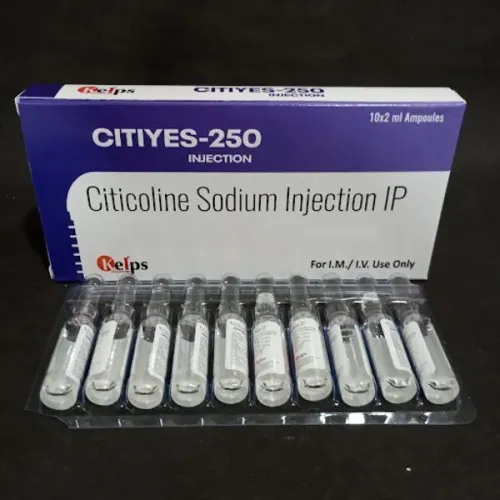
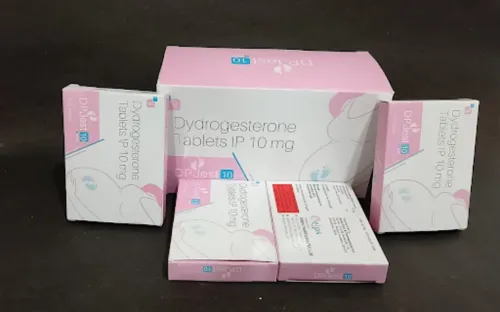
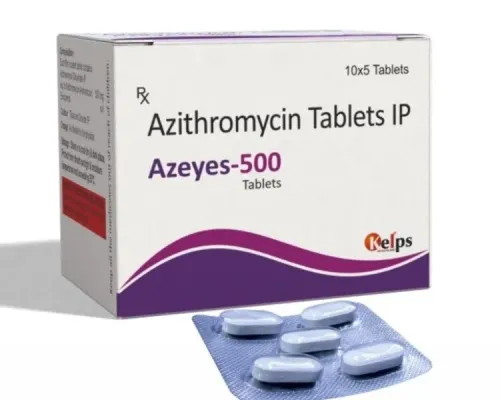
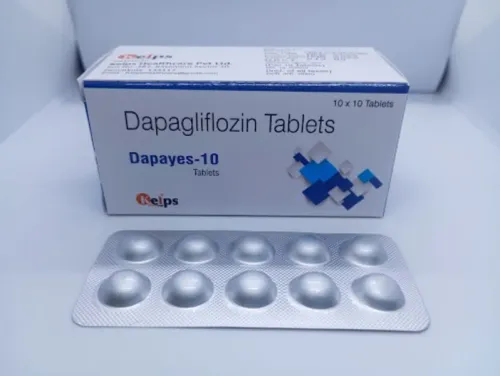
For products supplied through kelps healthcare, judge support by these records rather than catalogue size: a named safety contact, complaint follow-up, and clear responsibility for every handoff.
Judge the Portfolio by Clinical Fit, Compliance, and Market Use
A useful pharmaceutical product portfolio matches real treatment demand with reliable, lawful products; it is not a brand-counting exercise. Judge therapeutic coverage by disease burden, prescriber need, dosage forms, strengths, pack sizes, and stock continuity in the markets you serve.
Check every SKU against these controls:
- Confirm the legal category, product permission, approved indication, label, manufacturing site, market-authorization status, and promotional claim. A claim that exceeds the approved product information creates compliance risk.
- Request comparative dissolution, bioequivalence evidence where required, pharmacopoeial compliance, batch-release results, assay, dissolution, microbial-limit data, and ongoing stability records. The same active ingredient and strength do not prove therapeutic equivalence.
- Match stability evidence to the packaging and climatic market. ICH Q1A(R2) commonly uses 25°C/60% RH or 30°C/65% RH for long-term studies and 40°C/75% RH for accelerated studies, but the product dossier determines the applicable condition.
- Treat a GMP certificate as evidence about a named site, inspection scope, and date—not proof that every batch is defect-free. Review deviations, CAPA, out-of-specification investigations, complaints, recalls, and batch-release controls.
- Separate healthcare supplements from medicines: ingredients, permitted claims, labels, and evidence follow different rules.
Finally, assess pharmacovigilance, complaint escalation, recall readiness, and promotional conduct. Under India’s Uniform Code for Pharmaceutical Marketing Practices, undocumented gifts, hospitality, samples, or healthcare-professional inducements can turn commercial support into regulatory and reputational exposure.
Frequently asked questions
What evidence supports a pharmaceutical company’s reputation?
Look for an audit trail that includes GMP status, inspection date and scope, licences, batch records, certificates of analysis, complaint handling, and recall procedures.
How can you verify manufacturing, product, and batch claims?
Request the manufacturing licence, GMP documentation, product registration details, certificate of analysis, batch number, expiry date, seal condition, and storage requirements, then compare them with the physical pack and supplied records.
What belongs on a pharmaceutical supplier scorecard?
Score quality controls, supply reliability, lead time, minimum order quantity, fill rate, payment terms, freight, taxes, wastage, and total landed cost.
How does the pharmaceutical business model affect your control and support?
Direct supply, distribution, and PCD franchise arrangements differ in territory control, minimum orders, pricing authority, marketing support, inventory responsibility, and access to product information.
How should you judge a pharmaceutical portfolio?
Check clinical fit, dosage forms, strengths, prescribing demand, regulatory compliance, storage needs, pack sizes, safety information, and practical use in your target market.