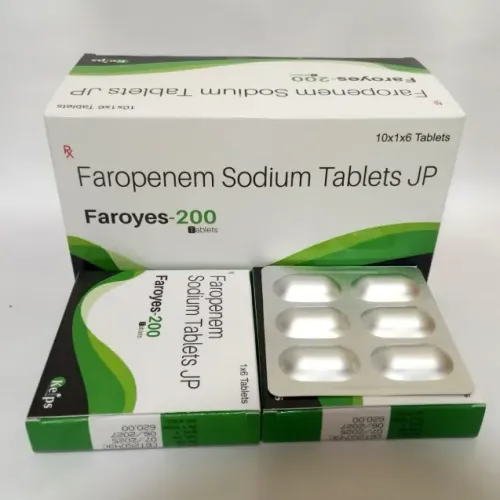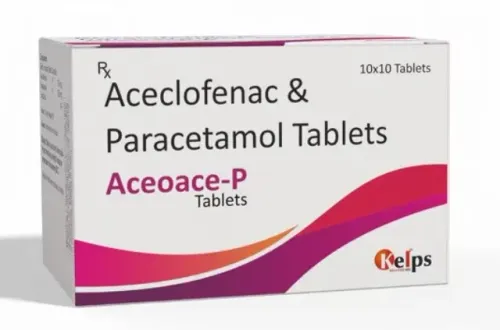
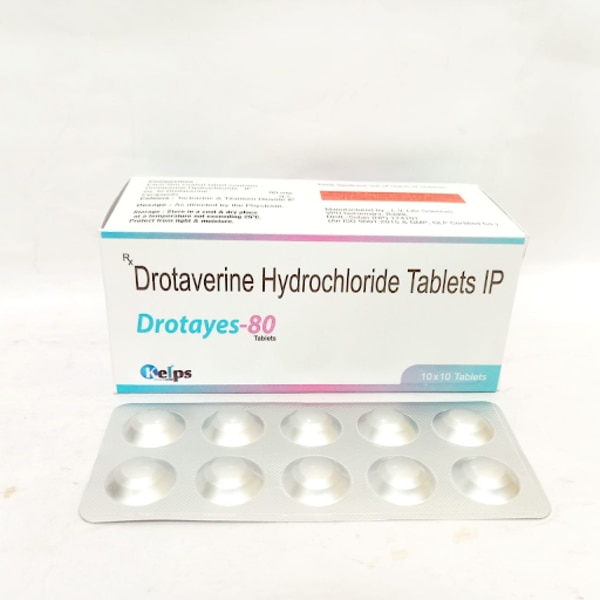
A PCD pharma opportunity is more than a product list and a printed trade margin: it is a regulated operating arrangement involving territory rights, stock, prescriptions, licences, working capital and post-sale responsibilities. By the end, you will be able to test demand, verify a supplier, select a workable portfolio, calculate break-even sales and negotiate terms before placing an order.
Key takeaways
- Confirm commercial rights, territory, licences and responsibilities in writing.
- Ask for the manufacturer’s licence copies and verify every submitted document.
- Test local demand before selecting a large or unfamiliar product portfolio.
- Compare landed cost, expiry risk, credit terms and supply reliability—not price alone.
What a PCD Pharma Opportunity Actually Includes
A PCD pharma business opportunity gives a franchise partner commercial rights to promote and distribute an agreed portfolio within a defined territory. It does not transfer the manufacturer’s licence or remove the partner’s duty to hold the applicable wholesale or retail drug licence.
- Receive: territory rights, an approved product list, price list, invoices, promotional materials and ordering support. Exclusivity exists only if the contract states the territory, online and institutional-sales scope, minimum purchases, competing-brand restrictions and termination terms.
- Sell: branded prescription medicines and other authorised products through permitted pharmacies, clinics, hospitals or distributors. Schedule H and H1 medicines require prescription controls; Schedule X medicines carry stricter sale, storage and record requirements.
- Manage: stock rotation, storage conditions, expiry checks, customer accounts, sales records and complaint escalation. Keep H1 transaction records for three years, and report adverse reactions, medication errors, quality defects or lack of effect through the agreed pharmacovigilance route.
- Pay for: opening stock, applicable taxes, freight, licences, storage, sales activity and working capital. Check price-control status before calculating profit: DPCO 2013 uses a regulated ceiling-price formula with a 16% retailer margin for scheduled formulations, while non-scheduled products follow a different pricing framework. A printed MRP does not override an applicable ceiling price.
Follow the Partner Process and Verify Every Document
Complete the PCD pharma application process in writing, then verify permissions before paying for stock. Your own wholesale or retail drug licence remains necessary; a franchise agreement does not replace the Drugs Rules, 1945.
- Submit your territory, licence details and business references.
- Select products after checking local prescriber and pharmacy demand.
- Review the agreement for territory rights, minimum orders, expiry replacement, returns and payment terms.
- Match the supplier’s documents against the proposed product list.
- Place a small opening order, inspect delivery records and quarantine damaged or temperature-exposed stock.
- Reconcile invoices, sales, expiry dates and complaints before placing each repeat order.
| Document | Check first | Escalate or reject when |
|---|---|---|
| Manufacturing licence | Licence number, manufacturer name, dosage forms and validity | The licence does not cover the product or has expired |
| Product permissions | Approval or permission for each formulation, approved artwork and label schedule | A state formulary listing is offered as proof of authorisation |
| GST details | Legal name, GSTIN, invoice name and tax details match the agreement | Names or tax numbers differ |
| Quality records | Certificate of analysis, batch number, test scope, stability data and GMP evidence | Results cannot be linked to your batch |
For Schedule H, H1 and X medicines, confirm prescription controls and transaction records; retain Schedule H1 records for three years. For cold-chain products, obtain the labelled temperature range, excursion policy and monitoring records before accepting stock. Record adverse reactions, defects and lack of effect through a defined escalation route.
Test Territory Demand Before Choosing a Portfolio
A territory demand assessment should begin with actual prescribing and purchasing patterns, not population size. Map prescribers by specialty, pharmacies, clinics, hospitals and competing brands within your delivery radius, then test whether one focused therapeutic portfolio fits the local treatment mix.
- Ask prescribers which molecules they write repeatedly, the usual brand names, patient volume and reasons for switching.
- Ask pharmacies which products move every month, which brands receive repeat orders, and which items remain unsold near expiry.
- Check hospital supply opportunities separately; institutional tenders, approved vendor lists and payment cycles do not follow retail demand.
- Estimate demand from confirmed prescriber interest and pharmacy reorder evidence, not verbal assurances alone.
| Signal | Evidence to collect | Portfolio decision |
|---|---|---|
| Routine prescriptions | Repeated molecules across several prescribers | Include products with a broad prescribing base |
| Pharmacy movement | Monthly sales and reorder frequency | Reject slow-moving items with weak repeat potential |
| Hospital supply | Formulary status, vendor rules and tender volume | Treat institutional sales as a separate channel |
| Competition | Stock availability, discounts and established brands | Enter only where your offer has a clear advantage |
Pilot a narrow portfolio and track first-order sell-through, prescription conversion and the next reorder cycle. Antibiotics and injectables demand stronger stewardship, adverse-event monitoring, sterility controls and logistics; choose them only when your territory and operating capability support those obligations.
Compare Product Quality, Pricing Status and Supply Reliability
Do not compare suppliers on invoice discount alone. Score each product against evidence you can inspect, then test whether the proposed margin survives price controls, storage costs and delivery delays.
| Check | Evidence to request | Decision test |
|---|---|---|
| Product permission | Manufacturing licence, product permission, approved artwork and Schedule H1 classification | Confirm your wholesale or retail drug licence covers the sale; retain Schedule H1 transaction records for three years |
| Quality | Certificate of analysis, GMP status, stability data, laboratory test scope and independence | Reject unexplained gaps; for injectables, demand sterile-process, media-fill, container-closure, particulate and batch-release evidence |
| Price status | Product price list, MRP basis and DPCO 2013 ceiling price calculation | For scheduled formulations, check the regulated calculation, including the 16% retailer margin; do not treat that as your commercial margin |
| Storage | Labelled temperature range, transport instructions and excursion procedure | Treat products marked 2–8 °C as cold-chain stock; below 25 °C is not a substitute, and freezing can ruin refrigerated medicine |
| Delivery | Batch-wise dispatch records, lead time, expiry at receipt, fill rate and replacement terms | Run a small order and measure promised-versus-actual delivery before committing territory stock |
Keep invoices, batch records and complaint or recall contacts with the comparison sheet. A supplier that offers a lower price but misses delivery or sends short-dated stock can produce a lower real return.
Calculate the Real Cost and Negotiate Terms That Protect Cash Flow
A 20% printed margin is not your profit. Calculate landed cost as the supplier invoice after schemes, plus freight, insurance, packing, non-recoverable GST, samples and promotional material allocated per sale. If GST input credit is available, exclude that recoverable amount; otherwise include it. Divide all costs by saleable units, not merely the minimum order quantity.
Net contribution per unit equals your actual selling price minus landed cost, retailer margin, discounts, expiry provisions, financing cost and expected bad debt.
Check whether the proposed distributor margin leaves room for the retailer margin; for scheduled formulations, DPCO 2013 uses a 16% retailer margin in its price calculation, so do not apply a commercial assumption blindly.
Break-even sales equals fixed launch costs divided by net contribution per unit. Test the result against realistic monthly prescriptions, repeat orders and cash tied up in the minimum order quantity.
Put these terms in writing:
- Credit period, invoice due date, late-payment consequences and whether freight is charged separately.
- Minimum remaining shelf life at dispatch, eligible expiry batches, return window, transport responsibility and credit-note timing.
- Replacement or credit for damaged, short-supplied or temperature-excursion stock.
- Territory boundaries, online and institutional sales, purchase targets, termination notice and remaining inventory treatment.
- Product-wise price revisions and scheme changes.
Ask kelps healthcare for a product-wise quotation showing these assumptions before comparing portfolios.
Frequently asked questions
What does a PCD pharma opportunity include?
It includes commercial rights to promote and distribute an agreed medicine portfolio within a defined territory. It does not transfer the manufacturer’s licence, and you still need the applicable wholesale or retail drug licence.
Which documents should you verify before joining a PCD pharma business?
Request and check the manufacturer’s licence copies, product and company details, written territory terms, product list, pricing, supply conditions and the licences required for your own operations.
How can you test demand before choosing a PCD product portfolio?
Speak with local pharmacies, doctors and distributors, review competing brands and identify prescribing or purchasing gaps before committing to a broad portfolio.
What costs should you compare in a PCD pharma opportunity?
Calculate product cost, freight, taxes, storage, sales promotion, licence costs, expiry losses and working capital. Compare these with payment terms, minimum order quantities and expected selling prices.