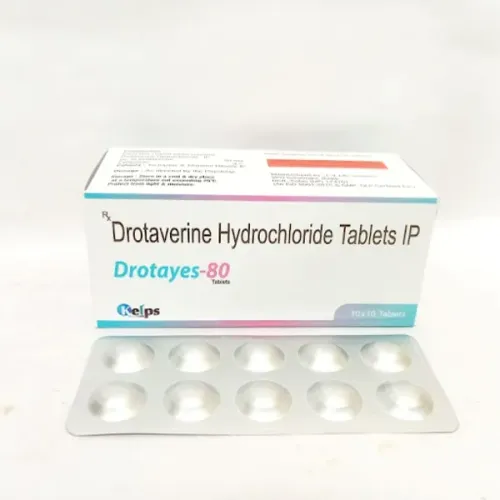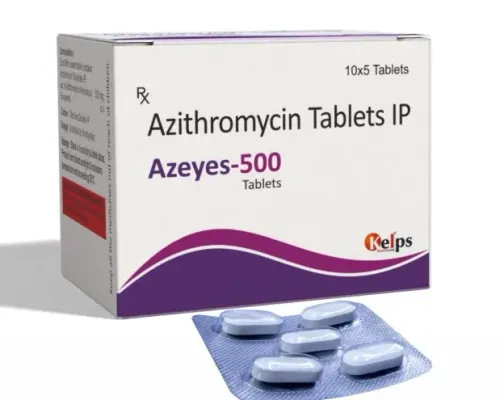
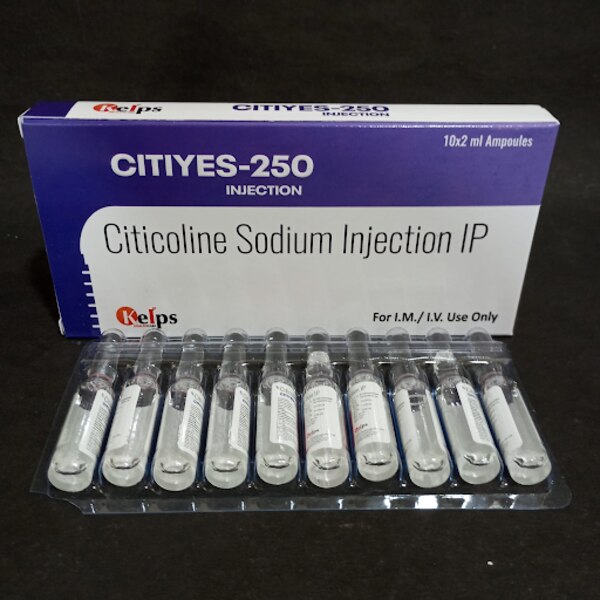
Choosing a PCD partner is a commercial, regulatory, and operational decision—not simply a search for a large product catalogue. By the end, you will know how to test a supplier’s credentials, compare contract terms, match products to your territory, calculate working capital, and control the order-to-cash process.
Key takeaways
- Request the manufacturer’s licence copies, GST details and product documentation.
- Choose products based on local prescribing patterns, competitors and patient demand.
- Define territory rights, minimum orders, expiry handling and payment terms in writing.
- Budget for stock replenishment, sales visits, storage, credit and slow-moving products.
What a PCD Pharma Company Actually Does
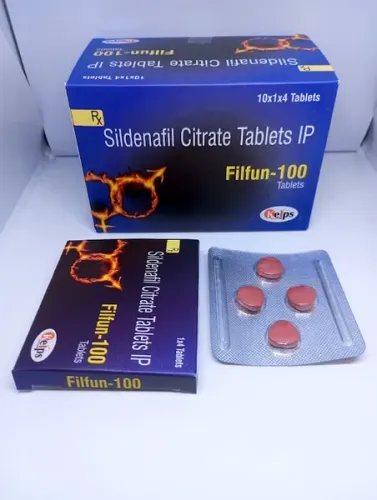
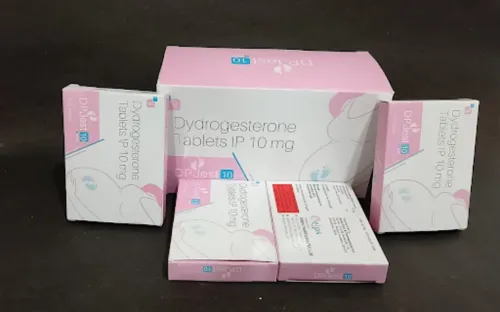
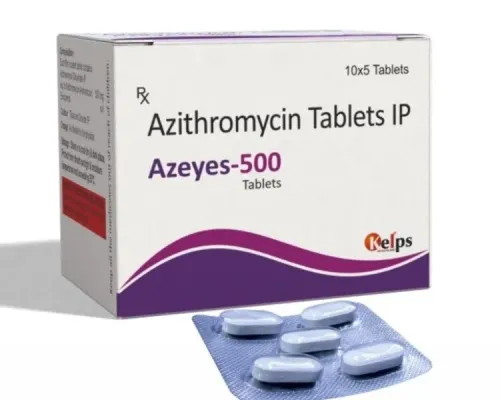
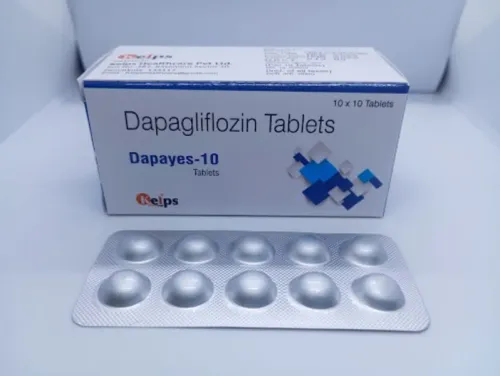
A PCD pharma company combines manufacturer-side product supply with territory-based commercial rights. In the PCD pharma model, it selects or manufactures branded medicines, appoints a partner, supplies stock and promotional materials, and supports training and reordering.
The partner develops local demand and sells through licensed channels; it does not become the manufacturer or bypass prescription controls.
| Role | Main job | Boundary |
|---|---|---|
| PCD pharma company | Supplies branded products, rights, materials, and support | Does not replace the local seller’s licences |
| Wholesale distributor | Buys and resells to pharmacies or institutions | Usually has no brand territory or promotional mandate |
| Stockist | Holds inventory for onward distribution | Focuses on availability and dispatch |
| Carrying-and-forwarding agent | Stores and forwards the owner’s goods | Usually does not create demand or sell independently |
| Medical representative | Visits prescribers and reports market information | Does not invoice or distribute medicine |
| Traditional pharmaceutical franchise | Operates under a centrally controlled franchise brand | Terms and territory follow the franchise structure |
The distinction matters because responsibilities remain divided. Screen Schedule H, H1, and X products before promotions: H1 sales require prescriber, patient, drug, and quantity records retained for three years. Your network also needs a route for adverse-event and quality complaints.
A PCD arrangement is a commercial channel, not permission to treat prescription medicines as ordinary OTC goods.
Complete Due Diligence Before You Sign
A displayed manufacturing licence is not proof of a capable PCD partner. Verify the licence number, manufacturing site, dosage forms, approved products, validity, and the entity named on the authorization; that entity remains responsible for compliant labelling, quality records, and post-market action even when you market the medicines.
Ask for these records before signing:
- Current manufacturing licence and recent drug-control inspection reports, including evidence that the site has implemented revised Schedule M requirements for documentation, validation, qualification, self-inspection, complaints, recalls, and quality-risk management.
- Product approvals, approved composition, strength, dosage form, label artwork, package insert, and product-registration details. Compare every proposed pack with the approval; do not accept sales claims that exceed it.
- Recent certificates of analysis, batch-manufacturing records, release records, stability data, retention-sample procedure, approved-supplier list, and deviation or out-of-specification investigations.
- A signed quality agreement defining batch-release authority, change control, audit rights, recall decisions, complaint investigation, and record retention.
- Complaint logs for the past two to three years, recall or withdrawal records, adverse-event reports, closure times, and the route for reports from doctors, pharmacists, distributors, and patients.
| Record to verify | What it reveals | Stop or escalate when |
|---|---|---|
| Manufacturing and inspection records | Site control and GMP execution | Licence scope or Schedule M evidence does not cover the product |
| Quality and batch records | Batch consistency and release discipline | Missing signatures, unexplained deviations, or unavailable retention samples |
| Complaint and safety records | Post-market responsiveness | No pharmacovigilance contact, trend review, or recall procedure |
Match the Product Portfolio to Your Local Market
A product portfolio fits your territory only when it matches what local doctors prescribe and patients can afford. Review prescriptions from the past six to twelve months, then speak with physicians, pharmacists, and distributors about high-volume disease categories, preferred dosage forms, typical treatment duration, and competing brands.
Score each proposed product against these local checks:
- Doctor demand: Which specialties prescribe it, and how many active prescribers can you reach?
- Disease pattern: Does the territory have sustained demand for the relevant conditions, or only occasional cases?
- Prescription frequency: Is it used weekly, seasonally, or only in hospitals?
- Price position: Compare the patient price, retailer margin, and expected treatment cost with the leading alternatives.
- Competition: Count established brands, distributor coverage, promotional activity, and stock availability before adding another equivalent product.
Then screen the product portfolio by regulatory schedule and handling needs. Schedule H and Schedule H1 medicines require prescription warnings; H1 sales also require a separate record of the prescriber, patient, drug, and quantity, retained for three years. Check whether your team can maintain those records.
For refrigerated products, confirm the labelled range, commonly 2°C to 8°C, and assess whether local distributors can preserve it. Avoid a broad catalogue that ties up cash in slow-moving strengths or duplicate brands.
Compare Commercial Terms and Protect the Territory
Do not compare only the invoice price. Compare the cash you must commit, the area you can sell in, and the supplier’s response when stock becomes unsaleable.
| Term | Compare | Protect yourself |
|---|---|---|
| Minimum order quantity | Units required per product and pack size | Reject quantities that exceed your realistic three-month demand |
| Opening order value | Total invoice, taxes, freight, and promotional materials | Confirm whether samples or slow-moving items are included |
| Credit period | Number of days and whether counting starts at dispatch, delivery, or invoice | Put the due date and late-payment consequences in writing |
| Territory protection | Named districts, PIN codes, channels, and competing franchise restrictions | Require written territory protection and define what breach means |
| Replacement policy | Expiry window, damage evidence, freight responsibility, and replacement timeline | Demand replacement or credit for approved defective, damaged, or wrongly supplied stock |
| Renewal conditions | Agreement length, performance targets, notice period, and renewal fees | Prevent automatic loss of the territory after a single missed target |
Ask kelps healthcare to attach the approved product list, batch number, manufacturing and expiry dates, storage conditions, certificate of analysis, and release records to the supply file before you increase volume. A certificate of analysis reports batch test results; it is not independent proof of accuracy.
Keep returns segregated until the supplier authorises disposition. Do not restock temperature-exposed, tampered, recalled, or uncertain-history products merely because the pack looks intact.
Budget the Working Capital Beyond the First Order
Fund working capital for the gap between paying the PCD company and receiving money from retailers. The opening order is only the first cash outflow.
1. Map the payment calendar: supplier advance or balance payment, freight, insurance, taxes, unloading, and any bank or documentation charges. Compare each due date with the expected dispatch and delivery date.
2. Budget storage costs before stock arrives. Include warehouse rent, shelving, inventory software, security, and stock handling. Add temperature control where the label requires it; a monitored refrigerator and backup power cost more than ordinary shelving.
3. Reserve cash for market operations during the launch period: sales staff, travel to clinics and retailers, samples or permitted promotional material, phone costs, and local delivery. These expenses continue even when sales are slow.
4. Price in retailer credit. If retailers pay 30 or 60 days after delivery, you fund replenishment, salaries, transport, and utilities while the first invoices remain unpaid. Hold back cash for damaged packs, expiry replacements, returns, and disputed invoices.
5. Set a collection trigger for every invoice and track overdue balances weekly. Do not place a large reorder while retailer debt is rising; otherwise growth can create a cash shortage before it creates profit.
Add a reserve for delayed dispatches, quality holds, or temperature excursions that prevent immediate sale.
Run a Controlled Order-to-Cash and Quality Process
Use one controlled order-to-cash workflow with a record for every handoff, from franchise documents to final collection. That trail lets you identify affected stock quickly instead of searching invoices after a complaint.
1. Open a customer and territory file containing the agreement, approved product list, licences, tax details, purchase order, credit limit, and authorised contacts. Record document submission dates and approval status before accepting an order.
2. Before dispatch, match the invoice and packing list to the batch number, manufacturing date, expiry date, storage conditions, approved artwork, and certificate of analysis. File the batch-release record, transport condition, and dispatch date; do not treat the certificate of analysis as independent proof without risk-based testing or an audit.
3. Record delivery acknowledgement, retailer or pharmacy sales, outstanding invoices, collection dates, damaged-stock replacements, and reorder quantities. Link every reorder to the original customer, product, batch number, and invoice.
4. Route each complaint or suspected adverse reaction to a named quality or pharmacovigilance contact within one working day. Capture the reporter, patient details where permitted, product, batch number, symptoms, photographs, treatment outcome, and follow-up actions.
5. Maintain a recall log covering the decision, affected batches, customer list, quantities dispatched and recovered, regulator communication, and reconciliation. A written quality agreement must assign complaint, deviation, recall, change-control, retention-sample, audit, and batch-release responsibilities.
Frequently asked questions
What does a PCD pharma company provide to its business partners?
A PCD pharma company supplies branded medicines, promotional materials, territory-based commercial rights and support for ordering, training and reordering.
What should you verify before signing with a PCD pharma company?
Check the manufacturer’s licence copies, GST details, product dossiers, batch documentation, quality systems, complaint procedure and references from existing partners.
How do you choose a PCD product portfolio for your territory?
Compare the portfolio with local prescribing patterns, disease demand, competitor brands, dosage forms, price points, storage needs and expected reorder frequency.
Which commercial terms should a PCD partner put in writing?
Document the territory, exclusivity conditions, minimum order quantities, payment schedule, credit limits, expiry and damage policy, promotional support and dispute process.