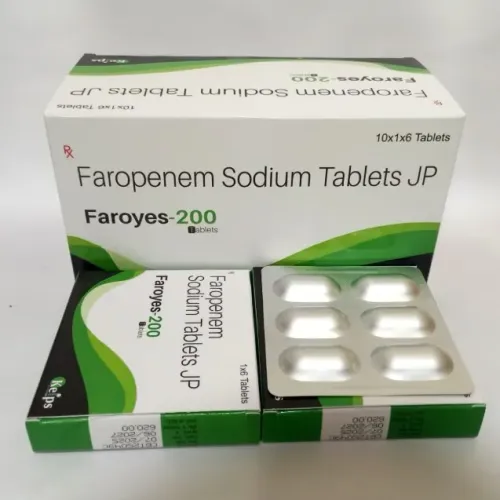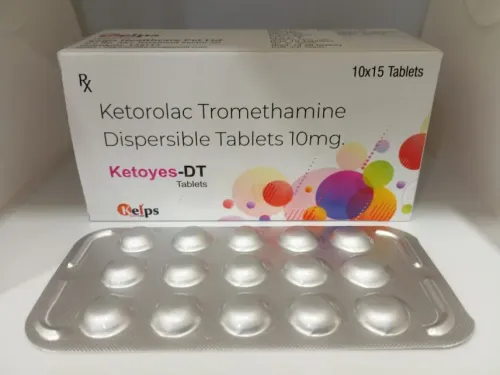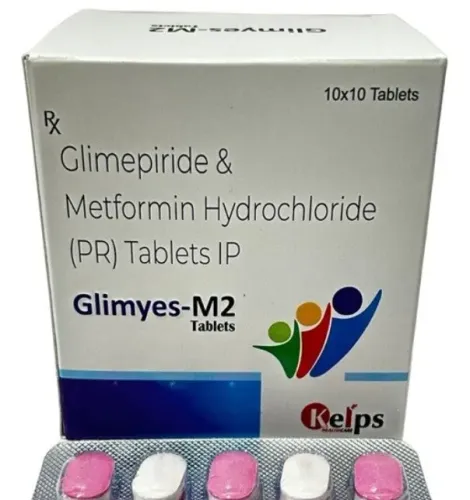

The PCD pharmaceutical model gives entrepreneurs and established distributors an opportunity to build medicine distribution businesses without establishing their own manufacturing facilities.
Understanding how a PCD Pharma Company operates can help prospective franchise owners determine whether this business model fits their market, investment capacity, and distribution experience.
Understanding the PCD Pharma Model
PCD generally refers to Propaganda Cum Distribution.
Under this model, pharmaceutical products are supplied to business partners who market and distribute them within agreed commercial arrangements.
The model can be useful for:
- Existing pharmaceutical distributors
- Medicine wholesalers
- Medical representatives moving into business
- Healthcare entrepreneurs
- Pharmacy professionals
- Businesses expanding into pharmaceutical distribution
The exact structure differs between companies, so commercial terms should always be understood before beginning the relationship.
Why Product Selection Comes First
One of the most important decisions in a PCD business is deciding what to sell.
A large catalogue may look attractive, but market relevance is more important than product count.
A prospective distributor should study:
- Commonly prescribed therapeutic categories
- Existing competition
- Local doctor and pharmacy demand
- Product price positioning
- Seasonal requirements
- Availability of substitute products
- Expected reorder frequency
This research helps create a focused portfolio rather than an unnecessarily large inventory.
Territory Planning Can Influence Growth
Geography plays an important role in pharmaceutical distribution.
A PCD business serving a compact territory may require a different product mix and sales approach from a distributor covering several districts.
In Haryana, markets can vary significantly between major urban centres, developing residential areas, industrial zones, and smaller towns.
A Panchkula-based entrepreneur, for example, may need to assess local pharmacy density, healthcare facilities, prescribing patterns, transport connectivity, and existing distributor competition before determining territory potential.
Inventory Needs Careful Management
Holding too little stock can result in missed orders. Holding excessive stock can lock up working capital and increase expiry risk.
A practical inventory strategy considers:
- Product movement
- Minimum order quantities
- Reorder frequency
- Shelf life
- Seasonal demand
- Storage requirements
- Available working capital
New PCD operators can benefit from beginning with products supported by realistic demand rather than ordering heavily across every available category.
Manufacturer Support Can Affect Daily Operations
A PCD Pharma Company does more than supply finished medicines.
Depending on the business arrangement, support may include product information, promotional materials, packaging options, order coordination, documentation, and supply planning.
Businesses should establish exactly what is included instead of assuming every pharmaceutical company provides identical support.
Kelps Healthcare serves the pharmaceutical sector from Panchkula, Haryana, including businesses exploring PCD and pharmaceutical supply opportunities. Prospective partners should evaluate the available product portfolio and business arrangement according to their own target market.
Financial Planning Should Go Beyond Purchase Price
A PCD pharmaceutical business has several possible costs beyond inventory.
These can include:
- Storage
- Transportation
- Sales activity
- Staff
- Market development
- Promotional materials
- Administrative expenses
- Working capital for repeat orders
Understanding these expenses helps entrepreneurs calculate whether the expected margins are commercially workable.
Build Around Repeat Demand
Sustainable pharmaceutical distribution generally depends more on repeat orders than one-time sales.
That makes product availability and customer relationships especially important.
Pharmacies and healthcare buyers are more likely to continue working with distributors who provide dependable stock information, professional service, clear billing, and timely supply.
A strong PCD business therefore combines the manufacturer's product capabilities with the distributor's knowledge of the local market.
For entrepreneurs considering pharmaceutical distribution in Panchkula or elsewhere in Haryana, researching demand before choosing a portfolio can be more valuable than beginning with the widest possible range. The PCD model becomes more practical when territory, products, investment, inventory, and customer acquisition are planned as parts of the same business strategy.
Keywords